
patio leveling Cedar Rapids: When Foam Wins and When It Doesn’t
⏱️ 8 min read · Last updated: 2026
- Typical patio leveling cost in Cedar Rapids is commonly about $600 to $2,500, with larger or more complex slabs running higher.
- A safe drainage slope is usually about 1/4 inch per foot away from the house, which is roughly a 2% slope.
- Foam injection port spacing is commonly 24 to 36 inches apart, adjusted to the slab size and how far it has settled.
- Most patio slab leveling jobs finish in about 1 to 3 hours, while replacement often takes multiple days plus cure time.
- If a patio has a negative drainage slope toward the house, leveling alone is not enough unless the drainage problem is corrected too.
A patio can look “just a little off” and still send water straight toward the house. That is the part people miss with patio leveling Cedar Rapids: the slab movement is visible, but the drainage problem is usually the bigger issue.
I have seen patios that were only down 3/8 inch at one corner still hold water after a storm because the whole slab had a slight negative drainage slope. One Cedar Rapids quote I reviewed came in at $1,850 for foam lifting and void filling, while replacement was over $6,000. Same patio. Very different answer.
The trick is not choosing the cheapest fix. It is choosing the fix that stops water from repeating the same damage cycle every spring.
What actually determines the right answer here
The right fix depends on three things: how far the patio slab has settled, whether the concrete is still structurally sound, and whether water is draining away from the house. If the slab is intact and the slope is wrong, patio slab leveling plus drainage correction is usually the better move. If the concrete is broken into multiple failed pieces, replacement starts to make more sense.
Here is the rule I use. If you can place a long level or straightedge across the slab and see a liftable dip, foam can often restore height. If the patio has major cracking, crumbling edges, or a bad patio expansion joint that keeps opening every winter, you may be looking at more than leveling. Cedar Rapids freeze-thaw cycles make small problems grow faster than they do in milder climates.
A patio that drains toward the house is not just inconvenient; it can keep loading the foundation edge with water every time it rains.
Most patio leveling cost questions miss the drainage piece. For a straightforward lift, foam is often faster and less disruptive than replacement, and it usually lets you use the patio the same day. But if the finished slope still sends water back toward the house, the repair only buys time. That is why I always check the pitch before I check the quote.
Quick check: If the slab is mostly intact and the real issue is a dip or bad drainage, patio leveling is usually worth exploring. If the slab is broken apart or the whole surface has settled unevenly for years, replacement may be the cleaner fix.
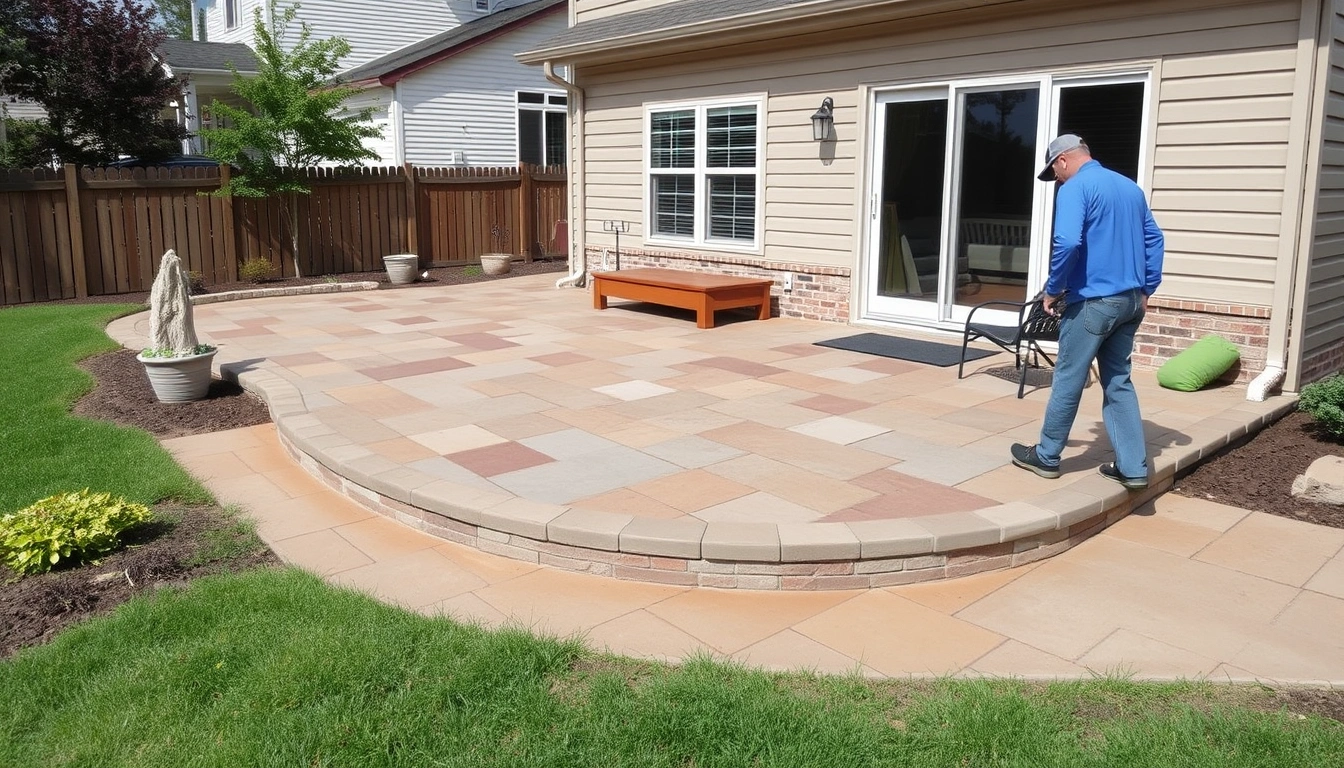
Why is my patio tilting toward the house in Cedar Rapids?
Your patio is tilting toward the house because the soil under one side has settled more than the other side, or because the original pour never had enough slope to begin with. In Cedar Rapids, rain, frost, clay-heavy fill, and downspouts dumping near the slab all make a negative drainage slope worse over time.
If the tilt happened slowly, suspect soil movement first. If it showed up after a wet spring or a big thaw, the subgrade may have washed out or softened. If the patio has been wrong since day one, the original grading likely missed the mark and the slab is simply revealing that mistake now.
This is where patio leveling Cedar Rapids gets practical. A lifted slab can correct height, but it does not fix water management by itself. A patio that ends up level to the eye but still has a low edge near the house can trap runoff at the wrong spot, and that is how puddles, staining, and edge settlement return.
If the patio is close to the house, check gutters and downspouts before you touch the concrete. A 10-foot splash line from a downspout can wash out base material fast. I have seen people pay to lift a patio, then lose the same corner again because the downspout still discharged beside the slab.
For more context on how surface type affects the fix, the best starting point is concrete leveling by surface type Cedar Rapids, because patios, sidewalks, and driveway sections do not fail the same way.
Quick check: If the patio tilts toward the house and gutters or downspouts hit that side, fix the water path before or during leveling.
Can a sunken patio be lifted without removing it?
Yes, a sunken patio can often be lifted without removing it if the slab is still in one piece and the void underneath is accessible. Polyurethane foam is usually the cleanest option for that job because it expands under the slab, fills gaps, and raises the concrete with less mess than older mudjacking methods.
The best candidates are patio slabs with one low corner, a clear settled patio edge, or a section that has dropped an inch or two but is not shattered. The worst candidates are slabs with severe cracking, badly heaved sections, or big voids caused by ongoing washout. In those cases, lifting a weak slab can expose more damage instead of solving it.
| Situation | Best Path | Why Other Options Fail |
|---|---|---|
| Single corner settled 1 to 2 inches | Polyurethane foam lifting | Replacement costs more and takes longer than the problem usually requires. |
| Slab has open cracks but is still stable | Lift only after structural review | Ignoring the cracks can make the repair feel temporary. |
| Multiple broken panels | Partial or full replacement | Foam will not make fractured concrete behave like new concrete. |
| Negative drainage slope toward the house | Lift plus regrade or edge correction | Lifting alone can preserve the wrong slope. |
Most crews drill small holes and place injection ports about 24 to 36 inches apart, though the spacing changes with slab size and how much the patio has moved. That spacing matters because it controls how evenly the slab lifts. Too few ports, and the patio can rock instead of rise evenly.
One thing people do not expect: foam can be fast, but the prep still matters. If the slab edge is buried, if soil keeps washing out, or if an AC unit slab leveling Cedar Rapids style pad is adjacent and also moving, the whole drainage zone may need attention in one pass.
Quick check: If the patio is structurally sound and the settlement is localized, lifting without removal is usually realistic. If the slab is broken or unstable, do not force a foam fix.
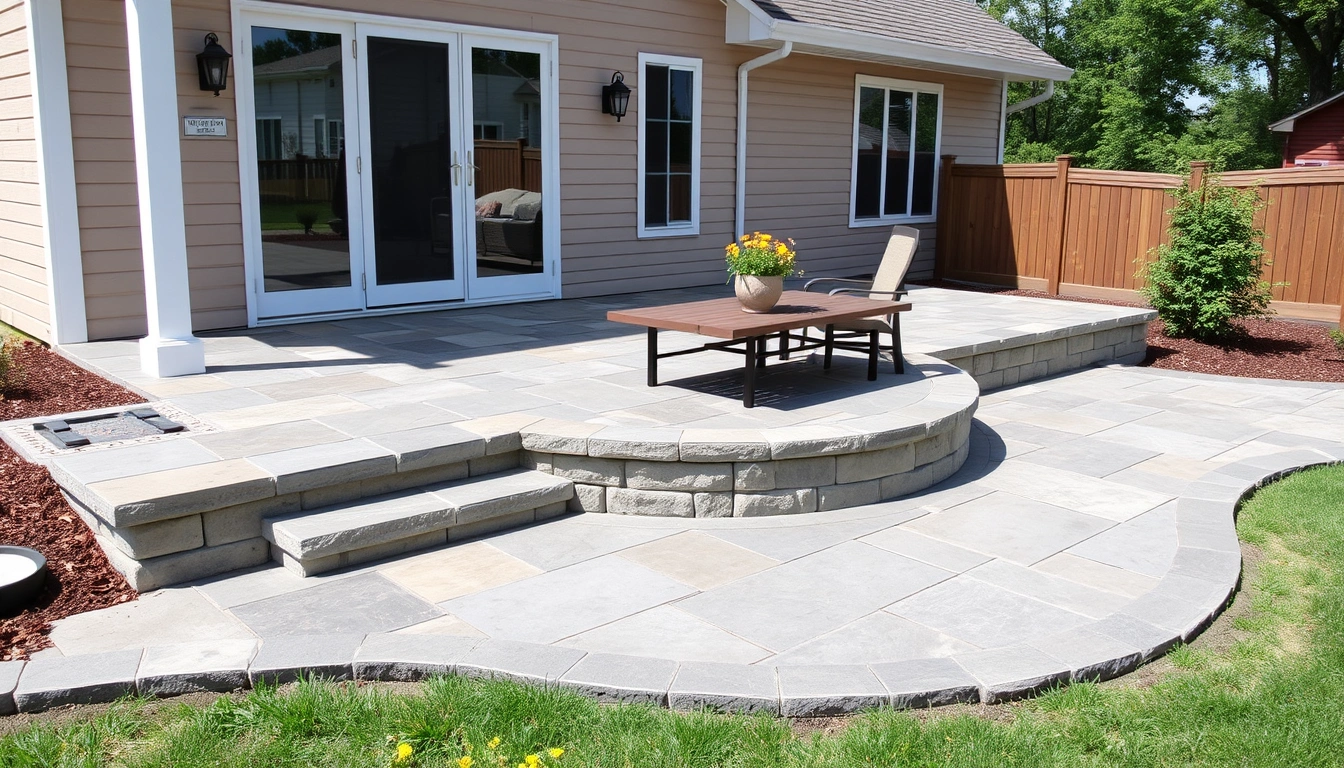
Foam or replacement: which path makes sense?
Foam wins when the patio slab is sound, the settlement is moderate, and the goal is to restore function fast. Replacement wins when the concrete is badly damaged, the drainage grade is wrong across the whole area, or you are tired of patching the same failure every few years. That is the cleanest way to think about patio leveling Cedar Rapids in 2026.
If you want the practical version, use this rule: foam for height correction, replacement for design correction. Foam is usually finished in hours and can be walked on the same day. Replacement often means demolition, haul-off, forming, pour time, and at least several days of cure before normal use.
What I would choose in each case
- If the slab is intact, choose foam lifting first.
- If water runs toward the house, correct the slope at the same time.
- If joints are failing, inspect the patio expansion joint before any lift.
- If cracks cross multiple panels, get a replacement quote too.
- If you need the patio back fast, ask for same-day foam service.
- If the quote is close to replacement, compare long-term drainage fixes, not just price.
For a cost frame, the right place to compare is concrete leveling cost, because price shifts with access, slab size, and how much lifting is needed. The number that matters most is not the lowest bid; it is the bid that solves the water problem and the settlement problem together.
A typical patio leveling job is often done in 1 to 3 hours, while replacement can stretch into several days plus curing time.
Quick check: Choose foam if you want speed and the slab is worth saving. Choose replacement if the concrete has failed as a system, not just as a surface.
What to do first if your patio is moving
Start by measuring the slope, then document the cracks, then check where water goes after a hard rain. That order matters because a level that looks “pretty close” can still hide a negative drainage slope. A bad slope beats a cosmetic crack every time when water is involved.
Here is the fastest decision path I trust. Use a 6-foot level, a tape measure, and a phone camera. If you can show an average drop of about 1/4 inch per foot away from the house, you are in the safe zone. If the slab pitches toward the house, stop treating this as a cosmetic issue.
- Measure the patio from the house edge to the outer edge in several places.
- Look for standing water after rainfall or hose testing.
- Check whether the slab is intact, cracked through, or separated at the joints.
- Inspect the patio expansion joint and any caulk or filler that has failed.
- Confirm where gutters and downspouts discharge.
- Get a quote that separates lifting, drainage correction, and any repair to broken concrete.
If your patio ties into a walkway or driveway, compare the rest of the system too. I often point people to driveway leveling Cedar Rapids when the patio and drive share the same drainage pattern, because fixing one without the other can leave the low point unchanged.
When you call for estimates, ask whether the crew is pricing lift height, void filling, and final slope correction separately. That question weeds out vague bids fast. It also helps you compare patio leveling cost apples to apples instead of comparing one company’s best-case quote to another company’s full repair plan.
Quick check: If you have not measured slope, checked drainage, and inspected the joint, you do not have enough information to choose the repair yet.
Edge cases that change the answer fast
Some patios do not follow the normal rules. If any of these situations is present, the usual foam-versus-replacement decision can flip.
If the patio is attached to the foundation line
What changes: Water near the house matters more than surface appearance. What to do instead: prioritize slope correction, not just height correction, because a lifted slab that still sends water inward can create repeat moisture problems.
If the patio has a wide open patio expansion joint
What changes: The slab may be moving independently from the house or adjacent slab. What to do instead: inspect the joint fill and edge support before lifting, because a damaged joint can hide washout under the slab.
If the patio is over utility access or a buried line
What changes: Injection points and lift pressure matter more. What to do instead: ask the crew to verify access zones before drilling ports, especially near gas, electric, or irrigation lines.
If the concrete is only 10 to 15 years old
What changes: Early settlement often points to base prep or drainage, not old age. What to do instead: document the original slope and compare it to current slope before deciding whether the slab was installed incorrectly.
If the settled patio is part of a larger settlement pattern
What changes: The slab may be reacting to a broader soil issue rather than a single void. What to do instead: check nearby walks, steps, and pads together, because isolated lifting may not solve the source.
If you are getting close to replacement pricing
What changes: Long-term value starts to matter more than short-term convenience. What to do instead: compare replacement quotes against a corrected foam job plus drainage fixes, not against foam alone.
My honest mistake on one job: I once focused on the crack line and ignored the gutter outlet three feet away. The lift looked perfect. The next storm showed the real issue. The slab was fine; the water path was wrong. That lesson saved me from calling the wrong problem a concrete problem.
Quick check: If any edge case involves the house line, a failed joint, or a broad settlement pattern, slow down and inspect the whole system before you approve a lift.
Common Questions About patio leveling Cedar Rapids
What causes a concrete patio to sink toward the house?
Most often it is settling soil, washout from poor drainage, or a weak base under the patio slab. In Cedar Rapids, freeze-thaw movement and downspout runoff can make the low side sink faster. If the patio also slopes inward, water management needs to be fixed too.
How do you level a sunken patio step by step?
A crew usually measures slope, drills small ports, injects polyurethane foam, raises the slab in stages, and seals the holes. The key step is checking the final slope after lifting. If the patio still pitches toward the house, the repair is not finished.
Patio foam leveling vs replacement — which is better?
Foam leveling is better when the patio slab is intact and the problem is settlement or voids. Replacement is better when the concrete is badly cracked, broken into multiple sections, or built with a lasting negative drainage slope that foam cannot correct alone.
Why does water pool on my patio after leveling?
Water pools after leveling when the lift restored height but did not restore proper slope. A patio should generally fall about 1/4 inch per foot away from the house. If the surface still holds water, the pitch or the drainage path needs adjustment.
How much does patio leveling cost in Cedar Rapids?
Most patio leveling cost estimates in Cedar Rapids fall around $600 to $2,500 for common residential jobs, with larger or harder-to-access slabs costing more. The biggest price drivers are slab size, settlement depth, access, and whether drainage correction is included.
How long should a repaired patio last before moving again?
A well-executed repair can last many years if the underlying drainage problem is fixed and the soil stays stable. If runoff still hits the same edge, the patio can start settling again much sooner. Longevity depends more on water control than on the lift itself.
- patio leveling Cedar Rapids works best when the slab is sound and the real problem is settlement, not collapse.
- A safe drainage slope is usually about 1/4 inch per foot away from the house, or roughly 2%.
- Foam lifting is often a same-day fix, but it fails if the water path still points inward.
- If the patio is broken, badly jointed, or close to replacement pricing, compare full replacement before you commit.
The Bottom Line
For patio leveling Cedar Rapids, start with drainage, not just height. If the patio slab is intact, the settlement is modest, and the slope can be corrected, polyurethane foam is usually the smartest repair. If the slab is broken, the patio expansion joint is failing, or the finished grade still points water at the house, replacement or a larger drainage fix is the better call. Pick one thing from this article and try it this week: measure the slope with a level and note whether water moves away from the foundation.
For the bigger picture across the property, see Surface-by-Surface Concrete Leveling in Eastern Iowa: Driveways, Garages, Patios, Sidewalks & Pool Decks.
See also: concrete leveling by surface type Cedar Rapids
See also: concrete leveling cost by surface Cedar Rapids
See also: driveway leveling Cedar Rapids
Related: pool deck leveling Eastern Iowa
Related: basement floor leveling Cedar Rapids
Related: concrete steps leveling Cedar Rapids