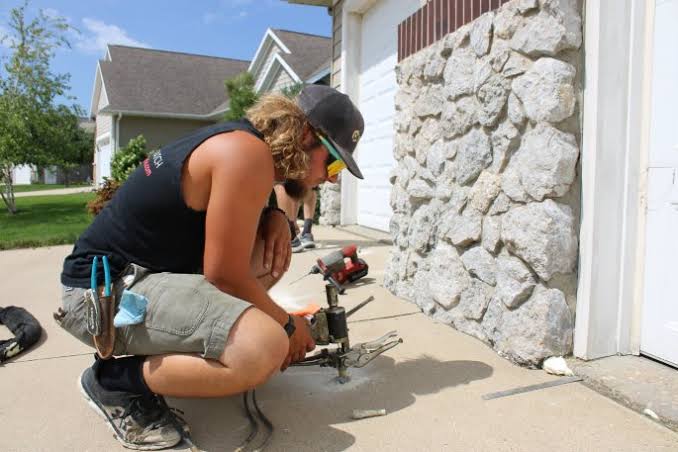
pool deck leveling Eastern Iowa: foam, cost, and when it works
⏱️ 9 min read · Last updated: 2026
- Typical pool deck leveling cost in Eastern Iowa is commonly about $600-$2,500 for small to mid-size repairs, with larger or more complex sections running higher.
- Polyurethane foam used for slab lifting is typically a light structural foam in the range of about 2.5-4.0 lbs per cubic foot, depending on the system.
- Settlement depth of 1-4 inches is the sweet spot for lifting; deeper movement can mean drainage or base failure that needs more than injection.
- Most foam lifts are usable the same day, while heavier repairs or replacement can take several days plus cure time.
- If the coping is moving, the pool shell and deck should be checked together before any lift is drilled.
A pool deck does not usually sink because concrete “got old.” It sinks because water found a way under it, carried fines out, and left a gap that got bigger every freeze-thaw cycle. In pool deck leveling Eastern Iowa, that pattern shows up fast after a wet spring, a downspout extension failure, or a spot where the deck was never compacted well enough in the first place.
I have seen a 3-inch drop next to a skimmer edge turn into a coping gap in one season. The quote that mattered was not the cheapest one; it was the one that identified soil erosion under slab first and asked whether the pool shell itself had moved. That distinction changes everything, because a clean lift is one job and a moving pool edge is another.
One more thing: the right fix in 2026 is often the lighter one, not the stronger-sounding one. That is especially true near pool structures, where extra load from old-school patching can make the problem worse instead of better.
What actually determines the right fix here
The right fix depends on three things: how far the slab dropped, whether the gap is active or stable, and whether the pool shell or coping moved with it. If the concrete is still intact and the problem is mostly a void under the deck, poolside concrete lifting is usually the fastest path.
If the slab has cracked into unstable pieces, or if the base keeps washing out after storms, lifting alone will not hold. In that case, drainage correction comes first, then leveling. I learned this the hard way on a patio repair where the slab looked liftable, but the real issue was a gutter discharge dumping water behind the deck. The foam held for a while, then the edge settled again.
For a price reference, the concrete leveling cost page is the better starting point if you want a broader cost frame beyond pool decks. For surface-specific decisions, concrete leveling by surface type Cedar Rapids helps you compare how a pool deck differs from a driveway or patio.
Quote this: A pool deck that settled 1-4 inches is often a lifting candidate; a deck that keeps moving after rain is usually a drainage problem first.
The three checks I use first
If you want to avoid paying for the wrong repair, start with these checks. They are simple, but they separate a liftable slab from a slab that needs drainage work or replacement.
- Measure the drop with a level or a 2-foot straightedge and a ruler. If the difference is under about 4 inches, foam lifting is often still on the table.
- Look for active washout. If soil disappears after storms, the deck is still losing support.
- Check coping alignment. If the coping is pulling away or no longer sits level, the pool shell or bond beam may need inspection.
- Tap the slab. A hollow sound often means voids, which is good news for lifting and bad news for ignoring.
- Trace every roof runoff path, hose bib overflow, and splash pattern toward the settled area.
Quick check: if the deck dipped once and stayed put, you are probably looking at lift-and-seal work; if it keeps changing after rain, the cause is still active.
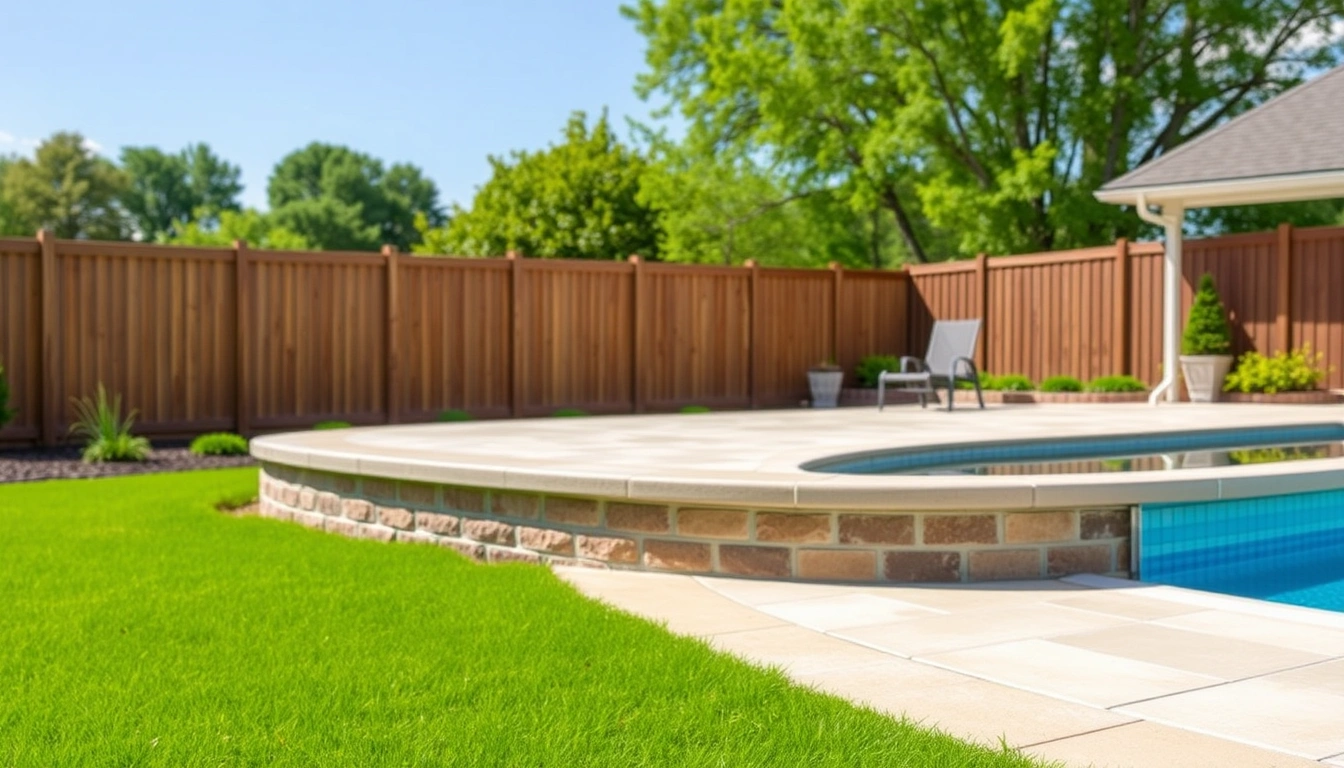
Why the concrete around my pool is sinking and pulling away from the coping?
Because water is usually leaving the soil faster than the soil can stay packed. When that happens, the slab loses support at the edge first, and the opening shows up near the coping before it shows up in the middle of the deck.
This is the classic pool deck settlement pattern in Eastern Iowa. Heavy rain, spring thaw, and poorly directed runoff all push water under the slab. Once fines move out, the slab starts to bridge the void and the edge drops. If the coping is attached or tightly butted against the deck, the separation becomes obvious.
The part most articles skip is that the coping itself can be a clue. If the gap is uniform and the deck dropped, lifting may solve it. If the coping is tilted, cracked, or visibly out of plane, the pool shell and deck need to be evaluated together before any repair. That is where a simple slab fix can turn into a structural conversation.
Quote this: When pool deck settlement shows up first at the coping, water is usually escaping through the edge, not the center of the slab.
If you are in Eastern Iowa, do not ignore the slope around nearby landscaping either. A bed that drains toward the pool deck can feed the same erosion cycle year after year. Small grading mistakes are enough.
Quick check: if the first visible symptom is a gap at the coping after rain, assume water movement until proven otherwise.
Is foam leveling safe to use next to a swimming pool?
Yes, foam leveling is commonly safe next to a swimming pool when the crew understands pool structures, drills the slab carefully, and verifies that the pool shell is not being overloaded. The reason it is often preferred is simple: polyurethane foam is light, expands predictably, and does not add the kind of dead weight that heavier materials can.
The foam used in slab lifting is typically in the range of about 2.5-4.0 lbs per cubic foot, depending on the product and application. That low density is one reason it works well for poolside concrete lifting. The real safety issue is not the foam itself; it is whether the deck is actually sitting on unstable soil, whether voids run under the coping, and whether the pool edge has already shifted.
If you are comparing methods, the lighter option usually wins near a pool. Mudjacking can work in some settings, but it uses a heavier slurry. Near a pool shell, that extra weight is not my favorite gamble unless the contractor has checked the base and is very confident the structure can take it.
| Situation | Best Path | Why Other Options Fail |
|---|---|---|
| 1-4 inches of settlement, slab still intact | Polyurethane foam injection | Replacement is slower and more expensive than needed. |
| Active washout after rain | Drainage fix first, then leveling | Foam alone can settle again if water keeps moving soil. |
| Cracked coping and moving pool edge | Inspect pool shell and edge together | Any lift without diagnosis can hide a structural issue. |
| Large broken slab sections | Partial replacement or rebuild | Lifting fractured pieces rarely stays clean long term. |
If you want a parallel comparison for a flat surface that is not beside a pool, patio leveling Cedar Rapids shows why the safety concerns change when there is no pool shell right next to the slab.
Quick check: if a contractor talks only about lifting and never asks about the pool edge, drainage, or coping, keep looking.
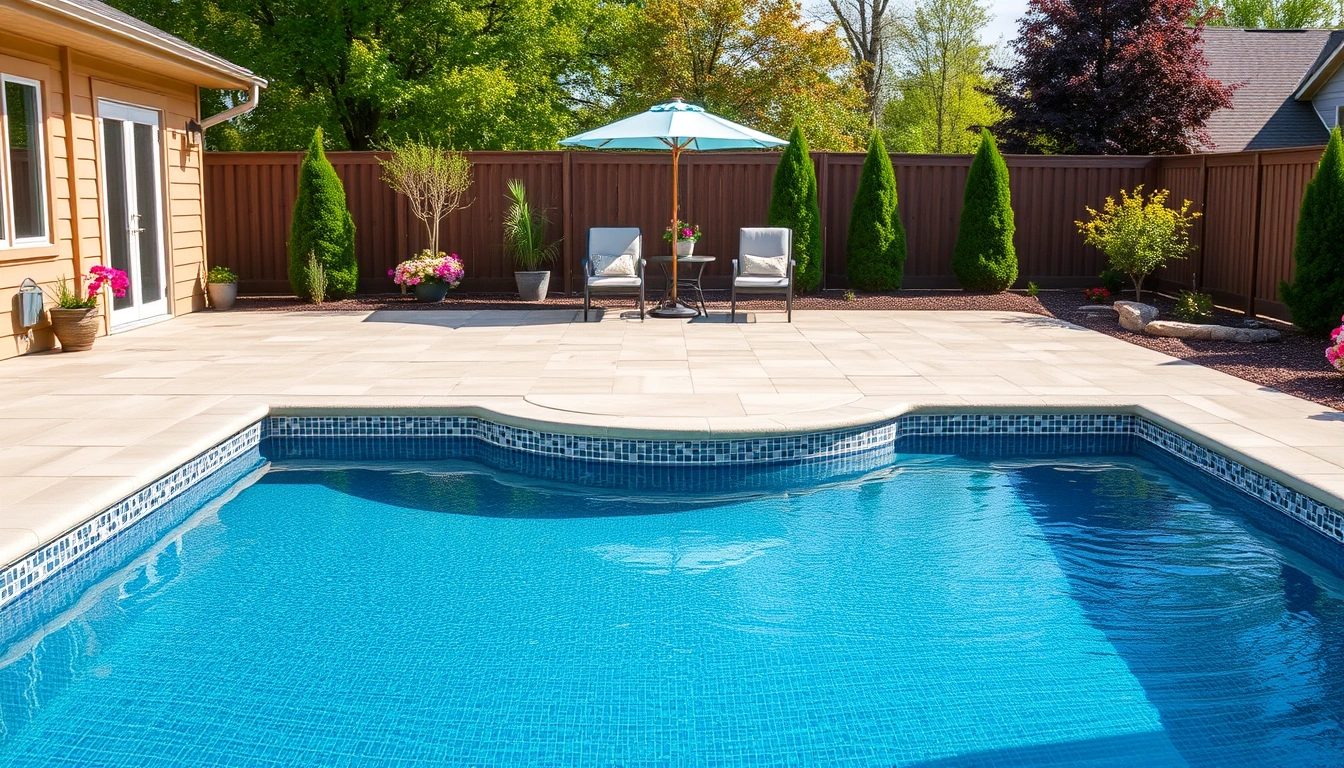
What to do first if the deck settled after rain or thaw
If the deck moved after a wet period, fix the water path first. Lifting a slab that is still being undercut is usually a short-term win and a long-term headache.
Eastern Iowa weather makes this pattern common. Spring thaw, summer downpours, and clogged downspouts can all move soil fast enough to open a void under a pool deck. The most useful sequence is not “level it now.” It is “stop the washout, then level what is left.”
Here is the order I would use if I were standing in the yard with a sinking edge and one afternoon to sort it out:
- Find the water source. Check downspouts, splash blocks, gutter extensions, and any irrigation overspray.
- Mark the low area with painter’s tape or chalk so you can measure whether it changes after the next rain.
- Probe the edge with a screwdriver or steel rod. If it drops into a void, the slab has lost support.
- Take photos of the coping gap, the slab crack, and the nearest drainage path.
- Get an estimate for foam lift and drainage correction in the same visit, not separately.
- Ask whether the crew will seal the injection points and whether the area can be used the same day.
A small repair can often be completed in 1-2 hours, with same-day use in many cases. That speed is useful, but only if the soil problem has been addressed. Otherwise the same rain will keep doing the same damage.
If you want a broader comparison for heavier flatwork, driveway leveling Cedar Rapids explains why driveways sometimes tolerate different repair choices than a pool deck does.
Quote this: The best pool deck repair sequence is drainage first, lifting second, sealing last.
Quick check: if the deck sank right after rain, do not schedule a lift until you can explain where the water is going.
The mistake that makes pool deck repairs fail twice
The most common failure is fixing the slab without fixing the water. A close second is overfilling or over-lifting the panel and creating a new lip near the coping.
That second mistake is easier to make than people think. Foam rises quickly, and a small adjustment can become a visible step if the crew does not stop to recheck grade. Near a pool, even a quarter inch can matter because bare feet notice it immediately.
Another overlooked issue is seasonal movement. A slab lifted in dry weather can still move a little when the ground becomes saturated. That is why a “looks good today” result is not enough. I want to know what it looked like after the next storm. That is the real test.
For a homeowner, the best defense is asking for the target grade before work begins. The contractor should be able to tell you where the finished edge will sit relative to the coping, the waterline, and the nearest threshold. If that answer is vague, pause.
Quick check: if nobody measured the finished slope before drilling, the job was started too fast.
When the normal advice breaks down
Standard advice fails when the slab is not the only thing moving. It also fails when drainage, pool structure, or freeze-thaw damage changes the job from simple lifting to a more complicated repair.
1. The deck is cracked into several loose pieces
What changes: lifting one piece can shift the others and leave uneven joints. What to do instead: replace the broken section or stabilize the base first, then level the adjacent slab if it is still sound.
2. The coping is already misaligned
What changes: the repair is no longer just about the concrete deck. What to do instead: inspect the pool shell and bond beam before any injection, because the shell may have moved with the slab.
3. The settled edge is under a heavy water feature or fence post
What changes: the extra load can hide the true extent of the void. What to do instead: expose the support area, verify base condition, and plan around the added weight before lifting.
4. The deck has been patched before and sank again
What changes: the soil issue is probably still active or the original base was never compacted well enough. What to do instead: trace runoff and check whether water is entering from the same side after every storm.
5. The drop is more than about 4 inches
What changes: the slab may need more than a standard lift to return to a usable grade. What to do instead: ask for a structural assessment and a replacement estimate alongside the leveling quote.
6. The pool deck feels spongy, not just low
What changes: the base may be unstable over a larger area than the visible crack shows. What to do instead: treat it as a void investigation, not a cosmetic lift.
One honest lesson from years of watching these repairs: I have seen more bad outcomes from rushing the diagnosis than from choosing the “wrong” product. Most people want the visible dip fixed. The better move is figuring out why it dipped in the first place.
Quick check: if the deck is low and the coping is off, do not let anyone sell you a fast fix without a structural look.
How much should pool deck leveling cost in Eastern Iowa?
Pool deck leveling cost in Eastern Iowa commonly lands around $600 to $2,500 for a modest repair, with larger or more complex jobs costing more. The price changes with slab size, settlement depth, access, void size, and whether the coping or drainage needs attention too.
For a narrow band of 1-2 settled sections, a small foam lift is often on the low end. For a larger pool deck with multiple low spots, pricing climbs because the crew needs more injection points, more material, and more time spent checking grade around the pool edge. If you want a surface-wide comparison, the broader concrete leveling cost by surface Cedar Rapids page is useful for understanding why a pool deck can cost differently than a sidewalk or garage.
The expensive mistake is assuming replacement is the only way out. Replacement can make sense when the slab is badly broken or the base is gone, but for a stable slab with 1-4 inches of settlement depth, leveling often gives the best cost-to-benefit ratio.
Quote this: In 2026, pool deck leveling is usually a repair for a sunken but intact slab, not a cure for bad drainage.
Quick check: if your estimate is close to replacement pricing, ask whether the crew is also pricing drainage correction or only the lift itself.
- Pool deck leveling Eastern Iowa usually works best when the slab has settled 1-4 inches and the coping is still structurally sound.
- Polyurethane foam is often the safer choice near a pool because it is light and does not add much load.
- If water is still getting under the slab, fix drainage first or the deck may settle again.
- A useful quote in 2026 should address the slab, the coping, and the water path together.
Common Questions About pool deck leveling Eastern Iowa
What makes the concrete around a pool sink?
Water is the usual culprit. In Eastern Iowa, runoff, thaw, and poor drainage can wash fines out from under the slab, leaving voids. Once support is gone, the concrete drops near the edge first, often near the coping or skimmer area.
How is a pool deck leveled step by step?
A crew maps the low spots, drills small holes, injects polyurethane foam, and checks grade as the slab rises. The surface is then patched and sealed. For many jobs, the area is usable the same day if the base is stable.
Foam leveling vs mudjacking for pool decks — which is safer?
Foam leveling is often safer next to a pool because it is much lighter, with typical material densities around 2.5-4.0 lbs per cubic foot. Mudjacking can work, but the heavier material adds more load near the pool edge.
Why does my pool deck keep sinking after repair?
The soil problem was not fixed. If downspouts, grading, or a leaking line keep sending water under the slab, the void returns and the deck settles again. Repeated sinking usually points to active erosion, not a bad lift alone.
How much does pool deck leveling cost in Eastern Iowa?
A typical small to mid-size repair commonly runs about $600-$2,500 in 2026. The final price depends on slab size, settlement depth, access, and whether drainage or coping alignment issues must be addressed at the same time.
Can pool deck leveling fix a gap at the coping?
Sometimes, yes. If the deck dropped but the pool shell stayed put, leveling can close the gap. If the coping itself is tilted or cracked, the shell or bond beam may need inspection before any foam work starts.
The Bottom Line
For pool deck leveling Eastern Iowa, start with the water path, then decide whether the slab is liftable or whether the coping and pool edge need a closer look. If the slab is intact and the settlement is modest, polyurethane foam is usually the smartest fix in 2026. If the area keeps washing out, do not pay twice for the same mistake. Pick one thing from this article and try it this week: trace every downspout and drainage line around the pool deck, then mark the low spot after the next rain. For a broader breakdown by surface, see Surface-by-Surface Concrete Leveling in Eastern Iowa: Driveways, Garages, Patios, Sidewalks & Pool Decks.
See also: concrete leveling by surface type Cedar Rapids
See also: concrete leveling cost by surface Cedar Rapids
See also: driveway leveling Cedar Rapids
Related: basement slab settlement
Related: warehouse floor leveling Eastern Iowa
Related: concrete leveling vs replacement cost Iowa