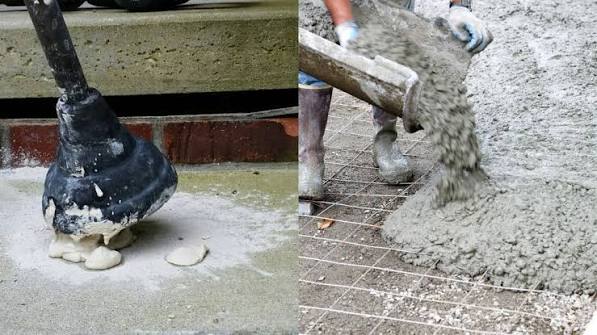
Concrete leveling vs replacement cost Iowa: the real 2026 math
⏱️ 15 min read · Last updated: 2026
In Iowa, the choice between concrete leveling and replacement usually comes down to one thing: how badly the slab has moved or cracked. Leveling is the cheaper fix for sound concrete that has settled. Replacement is the better choice when the slab is broken, spalling, or has dropped too far to save.
- Concrete leveling averages $4 per square foot, while full concrete replacement averages $10 per square foot and can exceed $100 per square foot for foundation sections, according to Angi in 2026.
- Most residential concrete leveling projects range from $600–$2,500 total, while full slab replacement commonly costs $15–$20 per square foot including demolition, haul-away, and cure time, according to Midwest Precast Contractor in 2026.
- Concrete leveling usually saves 50%–70% compared with replacement, so the cost difference is often large enough to change the repair economics for driveways, patios, and sidewalks.
- Leveling is generally the right call when settlement is 1/2 to 2 inches; replacement is usually advised when settlement exceeds 3 inches or the slab is severely cracked, according to Iowa-leveling guidance from 2025.
- Polyurethane foam and mudjacking both reduce trip hazards quickly, but their warranty comparison and leveling longevity depend on soil movement, drainage, and how much the slab keeps moving after repair.
Table of Contents
- The real difference between concrete leveling and slab replacement
- Is it cheaper to level or replace my concrete in Eastern Iowa?
- Concrete leveling: who should actually use this and who should not
- Slab replacement: the cases where paying more is the smarter move
- The honest side-by-side comparison
- How long will leveled concrete last compared to new concrete in Iowa?
- Why the standard advice is often wrong in Eastern Iowa
- Our verdict: which one to choose and why
- Common questions about concrete leveling vs replacement cost Iowa
The real difference between concrete leveling and slab replacement
Concrete leveling lifts a settled slab back into place. Slab replacement starts over. Leveling uses polyurethane foam or mudjacking and can be done in hours; replacement means demolition, base prep, pouring, and cure time, which can run for several days. So the real question is simple: is the concrete just out of grade, or is it actually failing?
The single biggest economic mistake is paying for slab replacement when the only problem is settlement of 1/2 to 2 inches and the slab is still structurally sound.
concrete leveling statistics show that Iowa’s soil conditions, especially in Eastern Iowa, make repair choices more about movement than age. Slabs from the 1950s–1980s often sit on expansive clay that shifts more than expected.
In plain terms, concrete leveling vs replacement cost Iowa comes down to this: buy back function cheaply, or pay for a full reset. The slab’s condition decides.
Is it cheaper to level or replace my concrete in Eastern Iowa?
Yes — by a wide margin. The average concrete leveling cost is about $4 per square foot, while replacement averages $10 per square foot and can climb higher for structural work.
Angi reported in 2026 that concrete leveling averages $4 per square foot with a range of $3–$25, while full replacement averages $10 per square foot and can exceed $100 for foundation sections. Mudjacking often lands at $3–$6 per square foot, while foam jacking ranges from $6–$25. HomeAdvisor’s 2025 figures show a 1,500-square-foot foundation can cost $4,800–$9,000 to mudjack versus $9,000–$39,000 to foam jack.
Cost per square foot matters most for large slabs. A 300-square-foot driveway at $4 per square foot is roughly $1,200 for leveling. The same area at $15–$20 per square foot for replacement lands at $4,500–$6,000 before extra site issues. This gap is easy to feel when a driveway, patio, or sidewalk needs work. It helps many Cedar Rapids homeowners choose repair first if the slab still has solid edges and no major damage.
Concrete leveling: who should actually use this and who should not
Concrete leveling fits homeowners with settled but still usable slabs. It works when the concrete has dropped, not fallen apart.
The best candidates are driveways, sidewalks, patios, garage floors, and stoops with 1/2 to 2 inches of settlement. Iowa homes from the 1950s–1980s are especially common candidates because freeze-thaw cycle movement and poor drainage often show up after decades.
It helps most when speed matters. Polyurethane foam lifts quickly, and mudjacking is often the lower-cost choice for thick slabs.
Leveling is the better financial decision when the slab is still sound enough to keep and the problem is elevation, not failure.
Skip leveling if the concrete has widespread cracking, active sinking from a failing base, or edges that crumble under hand pressure. In those cases, you are paying to save a slab that has little life left.
- Choose leveling if the slab has settled 1/2 to 2 inches.
- Choose leveling if the slab edges are intact and not crumbling.
- Choose leveling to avoid demolition and save 50%–70%.
- Do not choose leveling if the slab is severely cracked, spalling, or broken through.
Slab replacement: the cases where paying more is the smarter move
Replacement wins when the concrete is damaged beyond a clean lift. If the slab is spalling, badly cracked, or settled more than 3 inches, replacement is usually the better buy.
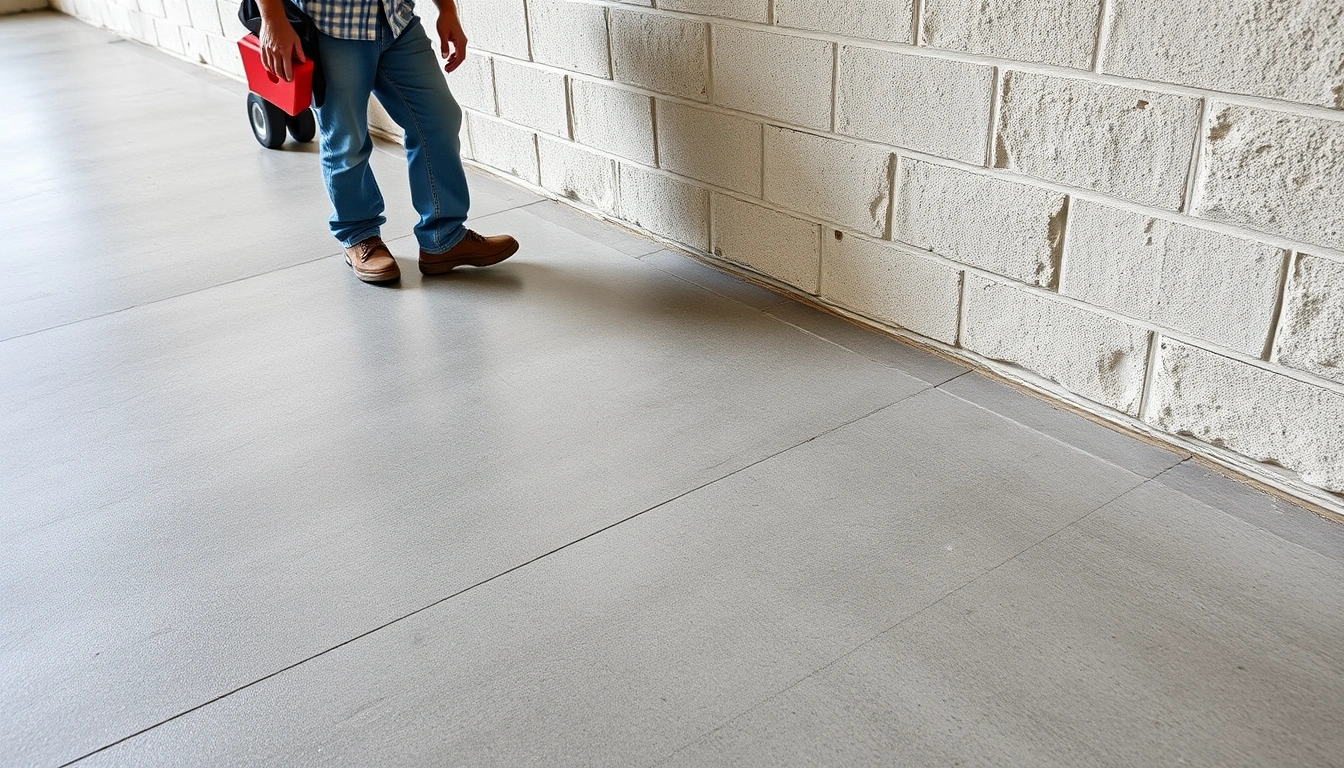
Replacement also makes sense when you need to correct the base, change slope, or rebuild a section that lacks compressive strength. New concrete gives you a clean structure, not a patched-old one. The trade-off is time: demolition, haul-away, base prep, pouring, and cure time can stretch from several days to a week.
Homeowners sometimes lose money by leveling a slab that should have been replaced, then paying again a year later. Replacement can offer a better return on investment despite a higher initial bill, especially if concrete leveling cost conversations focus only on the cheapest quote.
Replacement is the right call when slab failure is structural, not cosmetic. A smooth new surface helps only if the base and concrete can hold up in Eastern Iowa weather.
Iowa DOT awarded 15 Portland Cement Concrete Sidewalk/Trail contracts totaling $17,840,517 statewide in fiscal year July 2024–June 2025, showing ongoing concrete replacement work where failure is real.
The honest side-by-side comparison
Concrete leveling wins on price and speed, while slab replacement wins on longevity and structural reset. The table below compares concrete leveling vs replacement cost Iowa without sales language.
| Criteria | Concrete leveling | Slab replacement | Winner for [condition] |
|---|---|---|---|
| Average cost | About $4 per square foot in 2026 | About $10 per square foot, often $15–$20 with demo and haul-away | Leveling for budget control |
| Typical project size | $600–$2,500 total for most residential jobs | Often several thousand dollars per slab | Leveling for small to medium repairs |
| Settlement range | Best at 1/2 to 2 inches | Best when settlement exceeds 3 inches | Depends on movement depth |
| Project speed | Usually hours | Usually several days to a week | Leveling for fast turnaround |
| Long-term durability | Good if the base stays stable | Usually better for failing concrete | Replacement for damaged slabs |
| Best methods | Polyurethane foam or mudjacking | Full slab replacement | Depends on slab condition |
| Warranty comparison | Often shorter and condition-based | Often longer because the concrete is new | Replacement for warranty confidence |
| Return on investment | Best when the slab is salvageable | Best when repair would be temporary | Based on slab life left |
The table makes the split clear: leveling is a repair, replacement is a reset. If the concrete has life left, repair economics favor leveling. If not, replacement becomes cheaper long-term. Commercial concrete leveling often prioritizes speed over price due to uptime demands.
How long will leveled concrete last compared to new concrete in Iowa?
Leveled concrete usually lasts years, but new concrete often lasts longer because the whole structure starts fresh. In Iowa, lifespan depends on soil movement; expansive clay and poor drainage can cause both repaired and replaced slabs to move again.
Warranty comparison offers a clue, but real longevity hinges on grading, runoff, and whether the slab is too damaged to save. Polyurethane foam provides a clean lift with good compressive strength, while mudjacking can be more affordable for large areas.
For Eastern Iowa homeowners, leveling longevity is mostly a drainage problem in disguise.
To get the most life out of either option, fix the cause by extending downspouts, correcting runoff, and ensuring the base does not stay wet. A low-cost repair that fails early becomes expensive twice.
Why the standard advice is often wrong in Eastern Iowa
Standard advice misses the local soil. In Eastern Iowa, expansive clay and freeze-thaw cycles create repair conditions different from dry, stable markets. The cheapest option is not always best, and the priciest one is not always overkill.
A driveway that settled 1 inch from one wet spring is a solid leveling candidate. A garage slab that has cracked, heaved, and fallen apart after years of movement is not. Surface condition matters: spalling can weaken a slab even if it looks flat.
The smartest buyers ask contractors, “What is causing the movement?” If the answer is fuzzy, get a second opinion. concrete leveling statistics show how often the math favors repair first when homeowners stretch budgets without creating new problems.
Our verdict: which one to choose and why
Choose concrete leveling if your slab has settled 1/2 to 2 inches, the concrete is still intact, and you want the lowest-cost fix with fast return to use. Choose slab replacement if the concrete is cracked badly, spalling, settled more than 3 inches, or too damaged for leveling to last.
Neither choice works well if the real issue is drainage, soil washout, or a failing base that has not been corrected. Fix the cause first, or either repair can disappoint.
Exception scenarios that flip the verdict
Rare situations can change the obvious answer:
- If the slab is a high-visibility front entry and appearance matters more than budget, replacement may be worth the extra cost even at 1 to 2 inches of settlement.
- If the slab has moved repeatedly after previous repairs, replacement often beats another leveling attempt due to unstable base history.
- If the slab is part of a commercial access route with no downtime tolerance, leveling can beat replacement even when replacement would last longer.
- If the concrete is thin, badly deteriorated, or full of edge breakage, leveling may fail because the slab cannot hold the lift.
The biggest lesson: the quote is not the decision; slab condition is the decision. Concrete leveling vs replacement cost Iowa should be evaluated based on slab integrity.
Common questions about concrete leveling vs replacement cost Iowa
How much cheaper is concrete leveling than replacement in Iowa?
Concrete leveling is usually 50%–70% cheaper than full replacement. In 2026, Angi reported leveling at about $4 per square foot and replacement at about $10 per square foot, with replacement often higher once demolition and haul-away are included.
What settlement means I should replace instead of level?
If settlement exceeds 3 inches, replacement is usually the smarter choice. Iowa-leveling guidance also suggests leveling is best when settlement is about 1/2 to 2 inches and the slab is still structurally sound.
Is polyurethane foam better than mudjacking for longevity?
Polyurethane foam is usually the cleaner, lighter lift, while mudjacking is often cheaper per square foot. Longevity depends more on drainage, soil movement, and slab condition than on the material alone, so either method can fail early if the base stays wet.
How long does slab replacement take compared to leveling?
Leveling usually takes a few hours and can often be used the same day. Slab replacement usually takes several days to a week because demolition, prep, pouring, and cure time all have to happen before the slab is ready.
What warranty length is normal for concrete leveling in Iowa?
Warranty length varies by contractor, method, and slab condition, but replacement usually comes with the longer warranty comparison because the concrete is new.
Should I fix drainage before leveling concrete?
Yes. Drainage is often the reason slabs settle in the first place, especially in Eastern Iowa. Correct downspouts, grading, and runoff first, or the slab may move again and erase the return on investment from the repair.
- Concrete leveling usually saves 50%–70% versus replacement in Iowa.
- Leveling is best for 1/2 to 2 inches of settlement; replacement is better above 3 inches.
- Polyurethane foam and mudjacking fix sunken slabs, but drainage decides how long the repair lasts.
- Replacement is the better choice when the slab is cracked, spalling, or structurally failing.
For most homeowners weighing concrete leveling vs replacement cost Iowa, leveling is the smarter first quote and replacement is the smarter final fix. Measure the worst settlement point in inches, then ask a contractor whether the slab is a leveling or replacement candidate before deciding.
See also: commercial concrete leveling iowa
See also: concrete leveling cedar rapids
See also: concrete leveling statistics iowa
Related: when to replace concrete instead of leveling Iowa
See also: commercial concrete leveling iowa
See also: when to replace concrete instead of leveling Iowa
See also: concrete leveling cedar rapids