concrete leveling before after Cedar Rapids: What Changes, What Stays Visible
⏱️ 8 min read · Last updated: 2026
- Typical injection port diameter is about 5/8 inch to 1 inch for polyurethane foam leveling.
- Most slabs use about 4 to 8 injection ports, depending on size, voids, and the amount of lift needed.
- Typical lift height achieved is often 1 inch to 2 inches; larger lifts are possible in some cases, but not every slab is a candidate.
- Polyurethane foam usually cures in 15 to 30 minutes, while many mudjacking mixes need longer before full use.
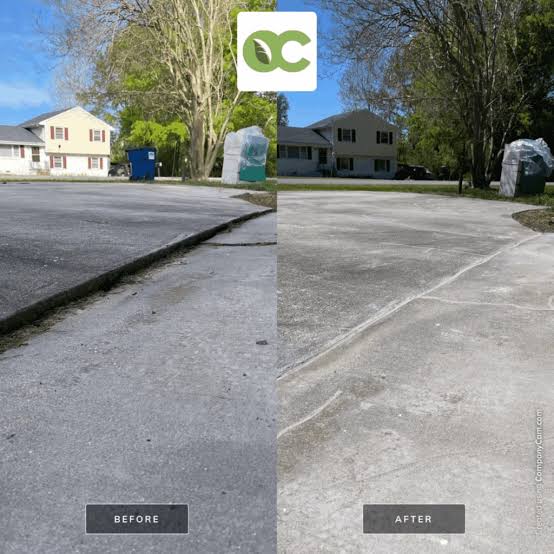
- The most useful concrete leveling photos show the slab edge, the filled foam drill holes, and the joint line from the same angle before and after.
The crack ran from the garage door to the driveway apron, and the front edge had dropped just enough to catch water after every storm. In concrete leveling before after Cedar Rapids jobs, that tiny slope is usually what changes the whole look. The slab does not become brand new, but it stops looking tired and uneven.
I have watched both polyurethane foam and mudjacking solve the same problem in very different ways, and the finish is where the choice becomes obvious. One quote I saw in Cedar Rapids was $700 for foam leveling on a small section versus nearly $1,900 for a larger mudjacking job, but the better decision depended on the slab, not the price tag. That is the part most people miss.
The real difference between polyurethane foam and mudjacking
Polyurethane foam wins when you want a smaller hole pattern, faster return to use, and less mess around finished concrete. Mudjacking still has a place when the slab is thicker, the void is more open, or the budget matters more than cosmetic finish.
The difference is not just the material under the slab. It is also the cosmetic footprint left behind: injection ports for foam are usually smaller, while mudjacking holes are visibly larger and often easier to spot in concrete leveling photos. That matters if the slab sits beside a front entry, a stamped patio, or a garage apron you look at every day.
In Cedar Rapids, freeze-thaw cycles and washout can create uneven support fast, especially near downspouts and driveway edges. The method that performs best is the one that matches the void pattern below the slab, not the one that sounds more modern.
A typical polyurethane foam lift uses 5/8-inch to 1-inch injection ports and can put a slab back in service within about 30 minutes in many cases.
Polyurethane foam: who should actually use it (and who shouldn’t)
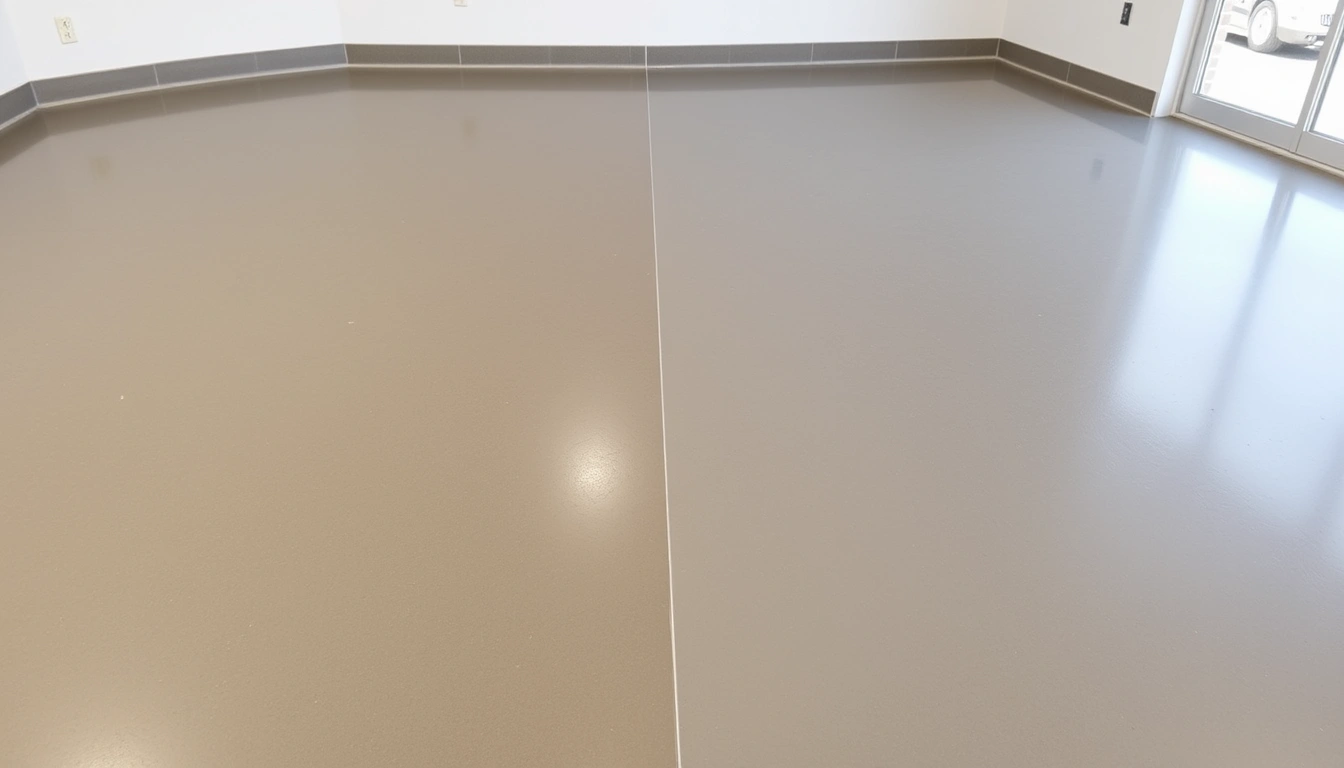
Polyurethane foam is the better choice for most homeowners who care about appearance, speed, and smaller repair marks. It is especially strong for sidewalks, garage slabs, patios, and driveway sections where the finished look matters as much as the lift.
The biggest win is the cosmetic afterimage. Foam drill holes are small enough that, once patched, they often disappear into the concrete texture unless you stand close and know exactly where to look. That is why concrete leveling before after Cedar Rapids photos often look cleaner with foam than with mudjacking.
Foam is not the best call if the slab is severely broken, badly undermined, or sinking because the base is failing across a large area. In those cases, lifting may help temporarily, but the underlying problem can return if drainage, soil movement, or edge support is not corrected.
Where foam earns its keep
- Garage slabs with a 1-inch to 2-inch edge drop.
- Walkways where visible patch marks would annoy you.
- Patios that need use the same day.
- Areas near downspouts where washout created voids, not total failure.
If you are comparing bids, the detailed breakdown in concrete leveling cost helps you see why foam often prices higher per square foot but can still be the smarter buy.
Mudjacking: the specific situations where it wins
Mudjacking wins when the slab is heavy, the subgrade is soft but stable enough for a denser fill, and the budget is tight. It also makes sense when the concrete is hidden, utility work is already planned, or the surface can tolerate larger repair marks.
The practical advantage is volume. Mudjacking uses a thicker slurry that can support some slabs well, especially broad sections with settled but intact concrete. It is not elegant, but it can be effective, and for certain driveways that matters more than cosmetic perfection.
The downside is obvious after the repair. The holes are larger, the patching is more visible, and the surface often needs more cleanup. For a front-facing slab, that can turn a cheap job into one you keep noticing.
For driveway-specific projects, driveway leveling Cedar Rapids often ends up as a foam recommendation when the owner wants a cleaner finish, but mudjacking still shows up on older slabs with broader settlement.
Mudjacking holes are usually larger than foam holes, which is why the finished repair is easier to spot even after patching.
The honest side-by-side
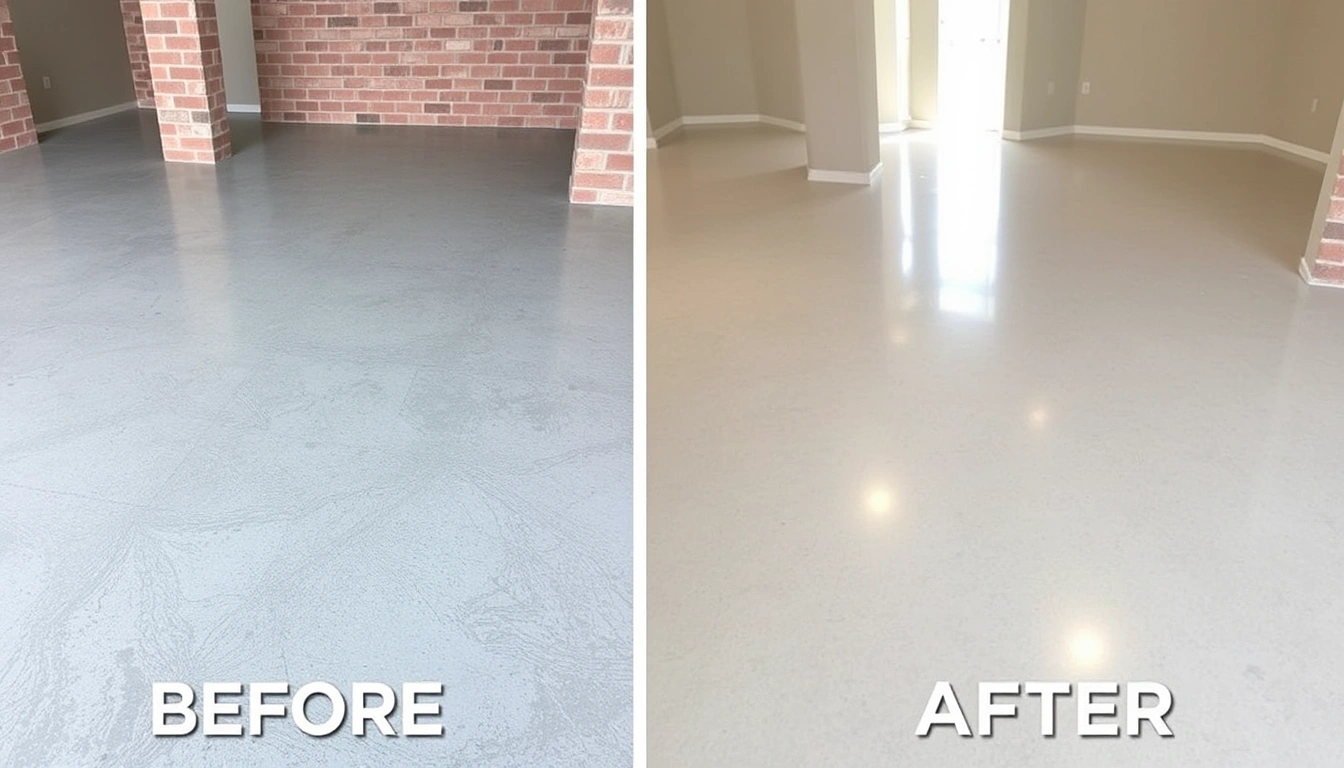
The better method depends on what you want to notice less after the repair: the cost or the patch marks. Foam usually wins on appearance and speed, while mudjacking usually wins on upfront price and fill volume.
| Criteria | Polyurethane foam | Mudjacking | Winner for [condition] |
|---|---|---|---|
| Hole size | About 5/8 inch to 1 inch | Usually larger than foam holes | Foam for visible concrete |
| Typical ports per slab | About 4 to 8 | Often fewer but larger holes | Foam for cosmetic control |
| Return to use | Often same day, sometimes within 30 minutes | Usually longer curing time | Foam for busy schedules |
| Lift height | Commonly 1 inch to 2 inches | Can also lift similar amounts | Tie for modest lifts |
| Cosmetic finish | Smaller patch marks | More noticeable repair spots | Foam for front-facing slabs |
| Best use case | Sidewalks, patios, garages, aprons | Budget repairs, hidden slabs, larger void fill | Depends on exposure |
| Weight added | Very light | Heavier material under slab | Foam for soft soils |
| Typical visual evidence afterward | Small patched injection ports | Larger patched holes | Foam for cleaner concrete leveling photos |
The comparison that matters most in 2026 is not “which is better?” but “which repair will bother you less next year?” For many homeowners, that answer changes the moment they see the size of the patch marks.
What concrete leveling before after Cedar Rapids actually looks like
Concrete leveling before after Cedar Rapids usually shows one dramatic change and three small ones: the slab edge rises, the joint gap tightens, water stops pooling, and the patched holes remain as tiny dots or filled circles. The slab does not look new, but it often looks intentional again.
The best concrete leveling photos show the edge of the slab, the drainage path, and the patch size in the same frame. If you only see a close-up after shot, you cannot judge whether the lift actually fixed the slope.
What stays visible afterward
The filled injection ports may remain slightly lighter or darker for a while, especially on broom-finished concrete. That is normal. On smoother concrete, the patch can be more noticeable at first, but it usually blends better after weathering and regular use.
Are the drill holes from foam leveling visible afterward? Yes, but usually only up close. In most jobs, the foam drill holes are small enough that casual visitors will not notice them unless they know where to look.
If the slab needs step repair too, it is worth checking concrete steps leveling Cedar Rapids because step treads and landings often settle differently than flat panels.
Our verdict: which one to choose and why
Choose polyurethane foam if the slab is visible, you want a cleaner finish, and you need the area usable fast. Choose mudjacking if the slab is hidden, the budget is tight, and the repair marks matter less than the upfront price.
Neither is the right answer if the concrete is cracked through, rocking badly, or failing because drainage is ignored. In that situation, lifting the slab is only half the job.
The clearest rule I use is simple: if you would be annoyed seeing larger patch spots every week, pay for foam. If you mainly want function and the slab is not front-and-center, mudjacking can still be the practical call.
For surface-specific planning, concrete leveling by surface type Cedar Rapids helps separate driveway, patio, sidewalk, and step decisions before you book anything.
Choose polyurethane foam if appearance and fast return to use matter most. Choose mudjacking if visible patch marks are acceptable and lower cost matters more.
When to reconsider this choice entirely
The verdict flips in four cases: when the slab is shattered, when water keeps washing out the base, when the lift needed is too aggressive, or when the concrete is old enough that patching will not stay neat. In those cases, neither foam nor mudjacking is the first fix.
One honest mistake I see is choosing a leveling method before checking the drainage pattern. If downspouts dump next to the slab, the repair may look great for one season and then re-settle. Fixing the water path first costs less than re-leveling the same section twice.
Another flip point is accessibility. Tight spaces, finished edges, and polished surfaces often favor polyurethane foam because smaller ports protect the appearance. Large, hidden utility slabs can justify mudjacking if the finish will not be judged daily.
- If the slab is badly cracked, consider replacement instead of leveling.
- If water is pooling at the edge, correct drainage before repair.
- If the lift target is more than 2 inches on a fragile slab, get a site review.
- If the finish is front-facing, prioritize smaller holes over the lowest price.
That is the practical lesson from concrete leveling before after Cedar Rapids work: the method is only as good as the slab conditions under it. The prettiest repair still fails if the base keeps moving.
What does concrete leveling look like when finished?
Finished concrete leveling usually looks flatter, cleaner, and easier to walk on, but it still looks like repaired concrete. You should expect small patched holes, a slightly different texture at the repair points, and a visible slope correction at the edge or joint that was lifted.
The best case is a slab lift result where water runs away from the building again and the patch marks fade into the broom finish. On smoother slabs, the repair is often still visible, just much less obvious than before.
How is a before and after leveling documented step by step?
Good before and after documentation starts with a wide shot, a level or tape measure, and one close-up of the low spot. After the lift, take the same shots from the same angle. That makes the change readable and helps you judge whether the lift height achieved was enough.
If the crew offers concrete leveling photos, look for the same shadow direction, the same framing, and the same reference point. Without that, the comparison can flatter a weak repair or undersell a strong one.
Foam holes vs mudjacking holes — which looks better?
Foam holes look better in most visible areas because they are smaller, usually about 5/8 inch to 1 inch. Mudjacking holes are larger, so even when patched well, they tend to stand out more on driveways, front walks, and patios.
If you care about curb appeal, foam wins. If the slab is hidden or low-visibility, the larger hole size may not matter enough to justify paying more.
Why are the patched holes visible after leveling?
Patched holes are visible because the repair material does not match the surrounding concrete perfectly at first. Color, texture, moisture, and curing all affect how fast the patch blends. On broom-finished concrete, the match usually improves faster than on smoother surfaces.
That is normal, not a failed job. The real measure is whether the slab is level, stable, and draining correctly after the repair.
How much lift can concrete leveling achieve?
Most concrete leveling jobs achieve about 1 inch to 2 inches of lift, and sometimes a bit more when the slab is in good shape. Bigger lifts are not always better, because a slab that is cracked, thin, or heavily undermined can break during overcorrection.
The safest target is the amount needed to restore drainage and trip safety, not to make the slab look brand new. If you need more than that, replacement may be smarter.
- Polyurethane foam usually leaves smaller, cleaner-looking repair marks than mudjacking.
- Most visible concrete leveling before after Cedar Rapids jobs show a 1-inch to 2-inch lift, not a full replacement look.
- Ask to see the injection ports layout and the same-angle before and after photos.
- Choose the method that fits the slab condition, not just the lowest quote.
The Bottom Line
For most visible residential slabs in Cedar Rapids, polyurethane foam is the better choice because the finish is cleaner, the return to use is faster, and the patch marks are smaller. Mudjacking still makes sense for hidden areas and tighter budgets, but it usually loses on appearance.
Pick one thing from this article and try it this week: measure the low spot on your slab, then take one wide photo from the same angle you would want in your before and after comparison. If you want to compare by surface, start with the pillar page on Surface-by-Surface Concrete Leveling in Eastern Iowa: Driveways, Garages, Patios, Sidewalks & Pool Decks.
Common Questions About concrete leveling before after Cedar Rapids
What does concrete look like before and after leveling in Cedar Rapids?
Before leveling, the slab usually slopes toward the settled edge, holds water, or creates a trip point at a joint. After leveling, the surface looks flatter and the drainage improves, but small patched holes usually remain visible. Foam repairs are typically less noticeable than mudjacking repairs.
Are the drill holes from foam leveling visible afterward?
Yes, but usually only up close. Foam drill holes are commonly about 5/8 inch to 1 inch wide, so once patched they blend better than larger mudjacking holes. On broom-finished concrete, the marks often fade into the texture after weathering and normal use.
How many injection ports are used on a typical slab?
A typical slab often uses about 4 to 8 injection ports, depending on its size, how far it has settled, and where the voids are. A good crew spaces the ports to move the slab evenly instead of forcing one corner up too fast.
How much lift can concrete leveling achieve safely?
Most jobs achieve about 1 inch to 2 inches of lift safely, though some slabs can take slightly more. The safe limit depends on slab thickness, cracking, and how stable the base is underneath. Bigger lift is not better if it risks breaking the concrete.
Which looks better in before and after photos, foam or mudjacking?
Foam usually looks better in photos because the holes are smaller and the patch marks are less obvious. Mudjacking can still fix the slab well, but the larger holes often show more clearly in the finished image, especially on front-facing concrete.
How soon can you use concrete after foam leveling?
In many cases, polyurethane foam cures in 15 to 30 minutes, so the slab can often be used the same day. Weather, lift size, and the crew’s process can change that timing, but foam is still much faster than most traditional repair mixes.
See also: concrete leveling by surface type Cedar Rapids
See also: concrete steps leveling Cedar Rapids
See also: concrete leveling cost by surface Cedar Rapids
Related: forklift load slab