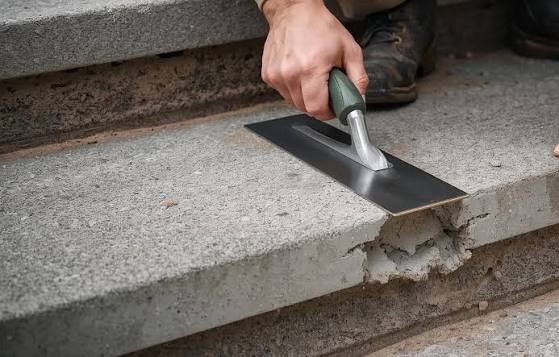
concrete steps leveling Cedar Rapids: 2026 step repair guide
⏱️ 8 min read · Last updated: 2026
- Typical step leveling cost in Cedar Rapids is commonly about $700 to $2,000 for a small porch stoop or short run of concrete steps, while a rebuild often costs more.
- A modest porch stoop void can take roughly 1 to 5 cubic feet of void fill, depending on the size of the gap and how far the slab has settled.
- A separation gap of about 1/2 inch to 2 inches between the house and the concrete steps usually signals movement that should be checked soon.
- Polyurethane foam is often chosen because it expands into void fill, cures fast, and can support lifting with less added weight than slurry-based methods.
- If the concrete steps are hollow and otherwise intact, step slab lifting is often faster than rebuilding and may be ready for use the same day.
A crew can make concrete steps look “fine” from the street and still leave a dangerous hollow under the landing. I’ve watched a porch stoop settle just enough to pull a 3/4-inch shadow away from the foundation, and that tiny gap mattered more than the crack everyone noticed first. For concrete steps leveling Cedar Rapids, the real question is not “Are they sinking?” It is “What moved, how much, and is the slab still worth saving?”
That trade-off changes the fix. On one job, the quote for a small step slab lifting repair came in under $1,000 because the concrete was solid and the void was localized; on another, the only honest answer was replacement because the steps were broken through the middle. The right call usually comes down to three things: the size of the separation, whether the steps are hollow concrete steps, and whether the settlement has stopped or is still active.
The part that changes everything
If the concrete steps are solid but hollow underneath, void fill and polyurethane foam are usually the right path. If the slab is cracked through, tilted badly, or has already broken away from the porch stoop, rebuilding often beats trying to rescue it.
The mistake I see most often is treating every sunken step as a lifting job. That sounds efficient, but it can fail if the concrete has lost structural integrity. In practical terms, you are deciding between stabilizing a slab and replacing a failed one.
Here is the cleanest way to think about it: lifting fixes support loss; rebuilding fixes damage. For many Cedar Rapids homes, the support loss happens because soil washed out, shrank, or compacted near the front entry. The concrete may still be fine. The dirt underneath is not.
Quotable line: If the concrete steps are intact and the problem is underneath, step slab lifting is usually faster and cheaper than replacement.
One useful reference point: the National Association of Home Builders and common repair practice both treat structural movement and cracking as separate issues, not the same one. That is why two porches with the same visible drop can need totally different fixes.
Quick check: If your concrete steps are mostly intact and only the support has disappeared, you are probably in lifting territory. If the concrete is broken, the answer flips.
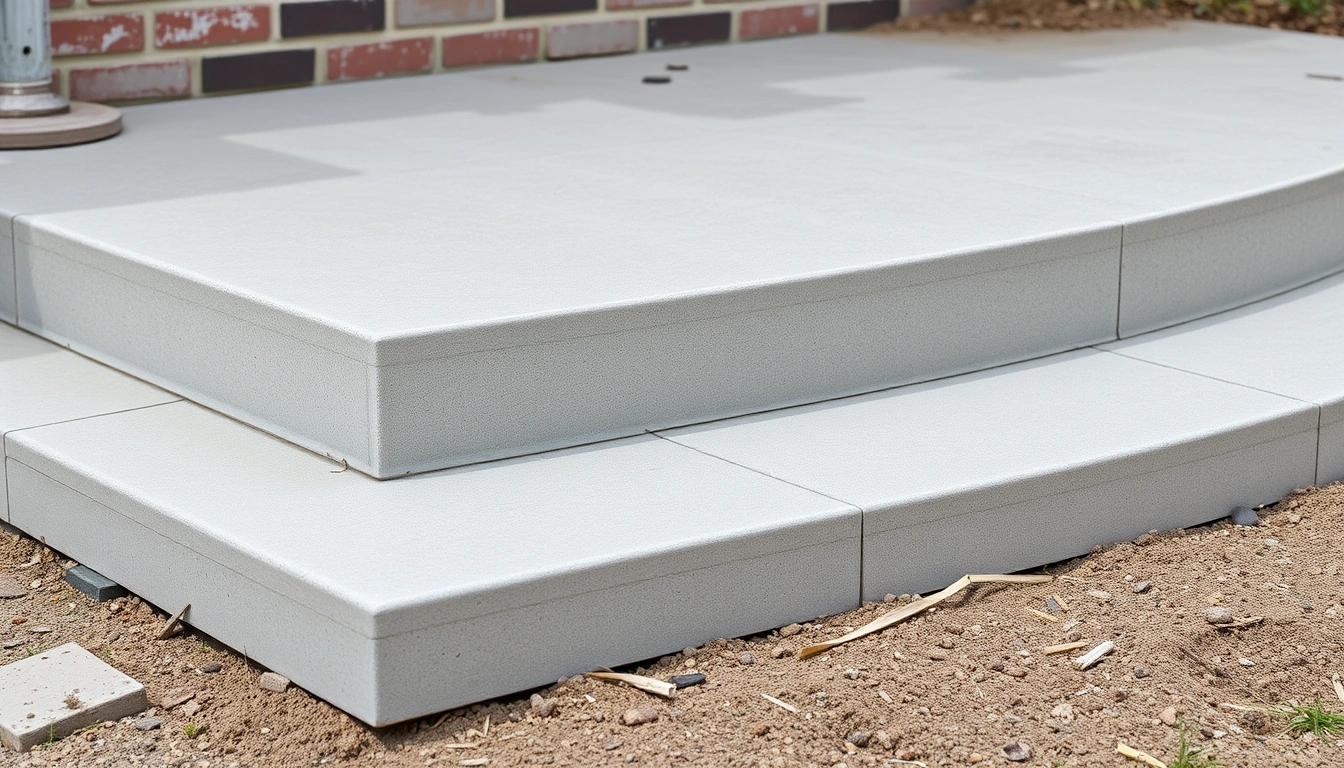
Why are my concrete front steps pulling away from the house in Cedar Rapids?
Your concrete front steps are usually pulling away because the soil beside the foundation settled, shrank, or washed out after repeated freeze-thaw cycles. In Cedar Rapids, that movement often shows up first as a separation gap inches wide enough to catch debris, hold water, or expose a hollow edge.
The gap is the clue. A separation of about 1/2 inch may be early movement. A gap closer to 1 to 2 inches often means the steps are no longer bearing evenly and need a closer look before winter makes the break worse.
Cedar Rapids weather matters here. Freeze-thaw expansion, spring saturation, and poor drainage around downspouts can all create the same result: the porch stoop drops a little while the house stays put. That is why a repair that ignores drainage may look good for one season and fail the next.
What to check before you call for repairs
- Measure the gap at the house with a tape measure, not your eyes.
- Look for a sloped front edge, which suggests settlement rather than cosmetic cracking.
- Check for downspouts dumping water near the steps.
- Press on the landing. A springy or hollow feel usually means the void has grown.
- Inspect for cracks wider than 1/4 inch or signs the steps have rotated.
- Take one photo from the side and one from the front so changes are easy to compare later.
That photo step sounds small, but it helps. I have seen homeowners describe a “slow” issue that turned out to have changed by almost an inch over one winter. Once you measure, the decision gets much simpler.
Quick check: If water pools near the steps or the gap gets wider after rain, drainage and soil support are part of the problem, not just the concrete.
Can hollow concrete steps be lifted or do they need to be rebuilt?
Yes, hollow concrete steps can often be lifted if the slab is still intact and the hollow space is the main issue. If the steps are cracked through, severely tilted, or detached from the porch stoop, rebuilding is usually the better answer.
This is where many people waste money. They hear “hollow concrete steps” and assume the whole set is doomed. Usually that is not true. A sound slab with an open void below it is a good candidate for polyurethane foam or other void fill methods because the repair restores support without adding a lot of extra weight.
If the steps have a broken tread, crumbled corners, or a wide split at the joint to the house, lifting can make the damage more visible. That is not a repair failure. It is the slab telling you it is beyond rescue.
| Situation | Best Path | Why Other Options Fail |
|---|---|---|
| Solid steps with a hollow sound underneath | Void fill and polyurethane foam | Rebuilding spends more than needed and removes usable concrete |
| Cracked but still mostly intact steps | Step slab lifting after inspection | Replacement may be unnecessary if the slab can still carry load |
| Broken corners or large through-cracks | Rebuild the porch stoop | Lifting can stress damaged concrete and widen the break |
| Steps separating and rotating away from the foundation | Inspect drainage first, then decide | Lifting alone may not stop repeat settlement |
For a lot of homes, the surprise is that the hollow area is small. A common void fill volume estimate for a short set of concrete steps is only 1 to 5 cubic feet, not a truckload. That is one reason polyurethane foam can be a smart fix for localized settlement.
Quick check: If the slab is structurally sound and the space under it is the problem, lift it. If the concrete itself is failing, rebuild it.
The 5-step workflow that avoids bad repairs
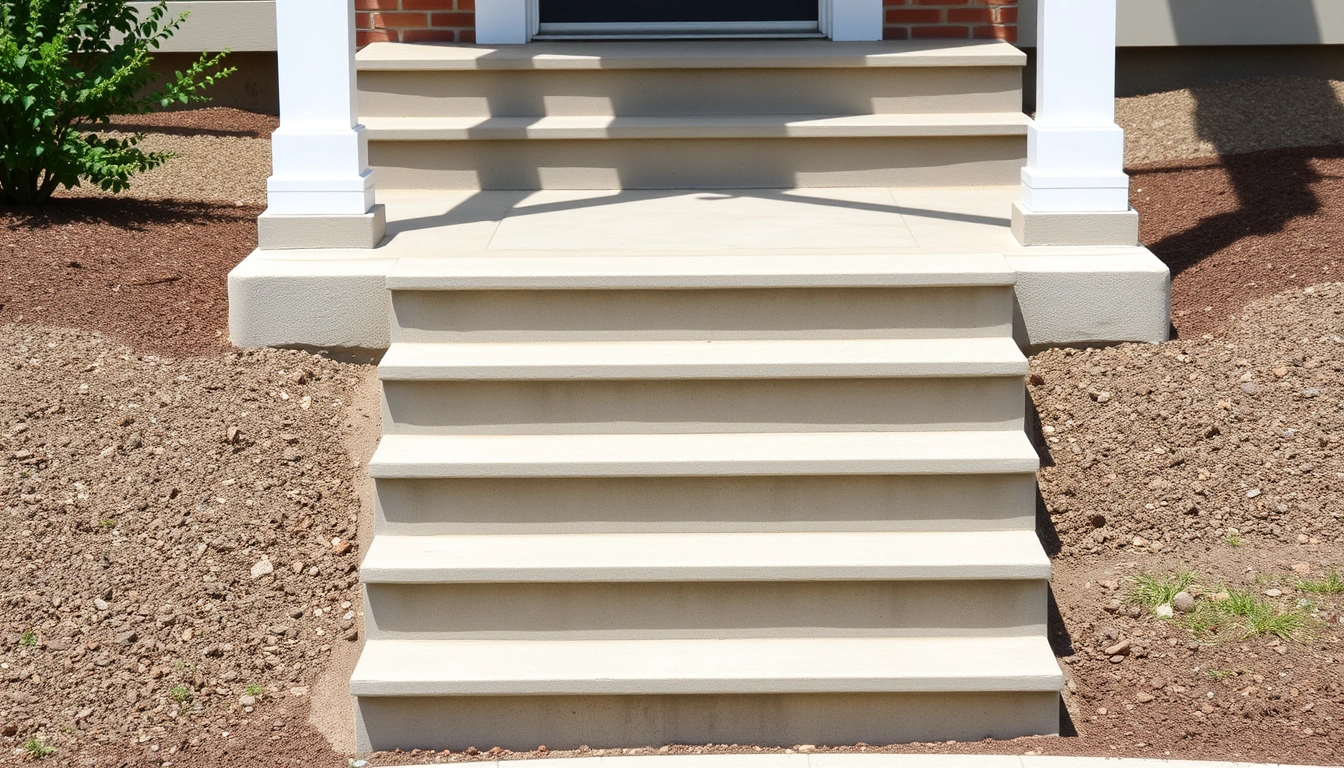
The best concrete steps leveling Cedar Rapids workflow starts with measuring, not guessing. If you skip the measurement, you can easily choose the wrong method and pay twice.
Use this order: confirm the gap, confirm the void, confirm the slab condition, choose the method, then fix the water source. That sequence matters because void fill without drainage correction is often temporary.
- Measure the separation gap at the house and at the outer edge.
- Tap the landing and note any hollow sound or soft movement.
- Check for visible cracks, rotation, and edge breakdown.
- Compare the repair options: polyurethane foam, mudjacking, or rebuild.
- Fix drainage with downspout extensions, grading, or splash blocks after the repair.
In 2026, I would pick polyurethane foam more often than mudjacking for small concrete steps because it uses smaller injection holes and cures quickly. Mudjacking can still make sense when a heavier fill is appropriate, but it adds weight, and weight is exactly what some settled steps can no longer handle well.
One detail worth keeping in mind: most reputable crews base the estimate on access, size, and how much void they expect to fill, not just the number of steps. That is why two “similar” jobs can differ by hundreds of dollars.
Quick check: If your issue came back after a past repair, the drainage step was probably skipped. Fix the water path before you call the repair finished.
What step leveling costs in Cedar Rapids
For most concrete steps leveling Cedar Rapids jobs, the cost is commonly about $700 to $2,000 for a small porch stoop or short set of steps. A full rebuild often costs more, especially if the old concrete must be removed and the entrance needs new forming.
Price changes with access, size, and whether the crew needs to fill a large hidden void. A short repair with easy access can land near the low end. A larger front entry with tricky access, broken edges, or deeper settlement can move toward the high end fast.
If you want the most useful comparison, look at cost per outcome, not just cost per visit. A cheap patch that leaves a hollow pocket under the landing is not actually cheap. A proper lift with polyurethane foam may cost more upfront but can save the slab.
You can also compare the repair path to other surfaces on the same property. For example, driveway repairs often use different loading assumptions than entry steps, which is why a separate plan for driveway leveling Cedar Rapids can make sense even when the front stoop and driveway both settled.
For a broader pricing benchmark, see the company’s breakdown of concrete leveling cost, since surface type changes the labor, access, and material load. That is also why concrete leveling by surface type Cedar Rapids is worth checking before you compare quotes across porches, sidewalks, and slabs.
Quotable line: In Cedar Rapids, a small step leveling job commonly falls in the $700 to $2,000 range, while full replacement usually costs more.
Quick check: If your quote is far below the range and does not mention void fill or drainage, ask what is being left out.
When the standard advice is wrong
The standard advice breaks down when the steps are hollow but the failure is not isolated. In those cases, the issue is bigger than a simple lift, and the wrong fix can mask the problem for a few months before it returns.
Here are the situations where I would change course immediately.
1. The steps keep moving every season
What changes: the soil is still active, often because water is still entering the same spot. What to do instead: fix downspouts, extend runoff 6 to 10 feet away, then revisit the lift.
2. The concrete is hollow and cracked through
What changes: the slab has lost more than support. What to do instead: rebuild the porch stoop or at least replace the damaged section instead of forcing a lift.
3. The gap is widest at one corner
What changes: the slab may be rotating, not just sinking. What to do instead: ask for a full inspection, because a one-point lift can stress the opposite side.
4. The entry is attached to a basement wall with moisture issues
What changes: water management matters as much as leveling. What to do instead: coordinate the repair with basement floor leveling Cedar Rapids if the same drainage pattern is affecting both spaces.
5. The porch stoop is old enough that the edges are crumbling
What changes: the concrete may be too degraded for a clean lift. What to do instead: stop trying to save every square inch and ask whether a rebuild gives better value.
I made one bad assumption on an old stoop: I thought the crack was the problem, so I focused on the crack. The real issue was a downspout that dumped water beside the steps every storm. The repair held only after the drainage changed. That lesson has saved me from recommending the wrong fix more than once.
Quick check: If the settlement returns after a season, stop treating it as a one-time slab issue. The water path is part of the repair.
How long does step slab lifting actually take?
Most step slab lifting jobs take a few hours, not days, when access is straightforward and the void is localized. The slab can often be used the same day, especially with polyurethane foam, which cures much faster than many slurry-based methods.
That speed matters in Cedar Rapids because front entries are daily-use zones. If the crew can complete the work in one visit and the concrete is stable before evening, you avoid the awkward “don’t step there” phase that drags on with bigger rebuilds.
The catch is that speed only helps if the prep is done correctly. A rushed repair with no measurement, no drainage check, and no inspection of the slab edges is not a shortcut. It is a gamble.
If you are scheduling around a busy week, ask whether the repair includes cleanup, hole patching, and a same-day return-to-service estimate. Those details matter more than a marketing promise about speed.
Quick check: If you need the entrance back fast and the slab is still sound, lifting is usually the quickest practical option.
- Concrete steps should be lifted when the slab is sound and the problem is hidden support loss.
- Hollow concrete steps with a 1/2-inch to 2-inch separation gap often need repair soon, not later.
- Polyurethane foam is usually the better choice for small void fill because it cures fast and adds less weight.
- If the concrete is cracked through or badly rotated, rebuilding usually beats lifting.
Common Questions About concrete steps leveling Cedar Rapids
What causes concrete steps to sink and separate from the house?
Most often, soil compacts, washes out, or shifts with freeze-thaw cycles, so the concrete steps lose support while the house stays put. In Cedar Rapids, poor drainage and downspouts that dump near the entry make the problem worse. A 1/2-inch gap is worth measuring right away.
How are sunken concrete steps leveled step by step?
A crew usually measures the drop, drills small injection points, fills the void, and raises the slab in controlled increments. With polyurethane foam, the work often finishes in a few hours. The steps are then patched and checked for level before anyone calls it done.
Lifting steps vs rebuilding — which is better?
Lifting is better when the concrete is sound and the issue is unsupported soil or a void. Rebuilding is better when the steps are cracked through, crumbling, or rotating badly. If the slab has lost structural integrity, lifting can waste money and still leave a weak entry.
Why do my steps keep pulling away after repair?
The most common reason is that the water problem was never fixed. If downspouts, grading, or runoff still push water under the porch stoop, the soil can settle again. A repeat gap usually means the repair addressed the symptom, not the cause.
How much does step leveling cost in Cedar Rapids?
A small step leveling job in Cedar Rapids commonly runs about $700 to $2,000, depending on access, void size, and damage. Rebuilding usually costs more because demolition, forming, and new concrete add labor and materials. Always ask what is included before comparing bids.
Do hollow concrete steps always need foam injection?
No. Hollow concrete steps only need foam injection if the slab is still structurally usable and the hollow area is causing movement. If the steps are cracked through, badly broken, or separated too far from the house, replacement is usually the smarter long-term move.
The Bottom Line
For concrete steps leveling Cedar Rapids, start by deciding whether you have a support problem or a slab problem. If the concrete is intact, void fill and polyurethane foam usually make the most sense. If the slab is broken, rebuilding is the honest fix. Check the gap, photograph the movement, and ask for an inspection before the next freeze-thaw cycle does more damage. Pick one thing from this article and try it this week, not all of it.
For a broader look at how different surfaces behave, see Surface-by-Surface Concrete Leveling in Eastern Iowa: Driveways, Garages, Patios, Sidewalks & Pool Decks.
See also: concrete leveling by surface type Cedar Rapids
See also: concrete leveling cost by surface Cedar Rapids
See also: driveway leveling Cedar Rapids
Related: concrete leveling before after Cedar Rapids
Related: forklift load slab