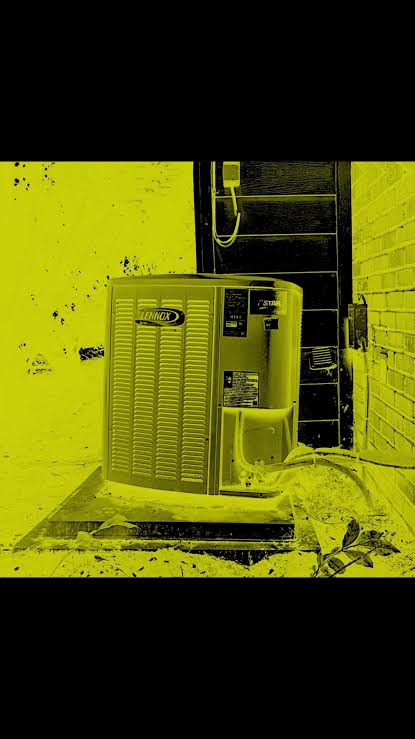
AC unit slab leveling Cedar Rapids: When to Lift or Replace
⏱️ 9 min read · Last updated: 2026
- Typical pad leveling cost: about $300–$900 for small equipment pad lifting jobs, with harder access or line-risk cases often running higher.
- Acceptable tilt: a slight slope for drainage is normal, but an AC condenser pad should not visibly lean enough to make the unit rock or pull on refrigerant lines.
- Polyurethane foam cure time: most lifting foams harden in minutes and reach serviceable strength in roughly 15–30 minutes, with final cure commonly within 24 hours.
- Replacement is usually the better call when the concrete has broken through, the base has washed out, or repeated condenser pad settlement keeps returning after a lift.
- Refrigerant line stress is the hidden cost: a tilted pad can bend, twist, or fatigue refrigerant lines and shorten HVAC life even when the unit still “runs.”
The first time I watched an AC condenser pad get lifted, the surprising part was not the equipment. It was how much the refrigerant lines moved when the pad came back level. That is the part most homeowners miss in AC unit slab leveling Cedar Rapids: the pad is not just concrete, it is the anchor point for the whole outdoor unit.
A level pad matters because a tilt changes how the condenser sits, vibrates, and drains after storms and freeze-thaw cycles. In Cedar Rapids, I see the same pattern repeatedly: one side sinks after soil washout, the unit starts to lean, and the homeowner notices only when the unit gets louder or the lines look strained. The fix can be fast, but the wrong fix can turn a small HVAC pad repair into a bigger compressor problem.
A tilted AC condenser pad is not just a cosmetic issue; it can create refrigerant line stress that slowly shortens HVAC life.
What actually determines the right answer here
If the AC condenser pad is only slightly out of level and the concrete is still solid, equipment pad lifting with polyurethane foam is usually the cleanest fix. If the pad has broken, tilted hard, or settled because the base soil is failing, replacement or deeper HVAC pad repair is usually smarter.
The decision comes down to four things: how much it moved, whether the concrete is intact, whether the refrigerant lines are being pulled, and whether the soil underneath is stable. I have seen a pad look “only a little low” and still create enough refrigerant line stress to make the copper line set flex at the wall. That is not a detail to ignore.
One practical rule helps: if the unit rocks when you press on it, or if one edge of the pad has visibly dropped more than about half an inch, stop treating it like a cosmetic issue. At that point, AC unit slab leveling Cedar Rapids is about protecting the system, not making the yard look neat.
If you want a broader look at how surface type changes the repair, the same logic applies across slabs and pads in our concrete leveling by surface type Cedar Rapids resource. The method changes with the load, the slab thickness, and what is sitting on top of it.
Quick check: If the pad is intact, the unit still sits flat, and the lines are not being tugged, lifting is usually enough. If the pad is cracked or the lines are under strain, think replacement.
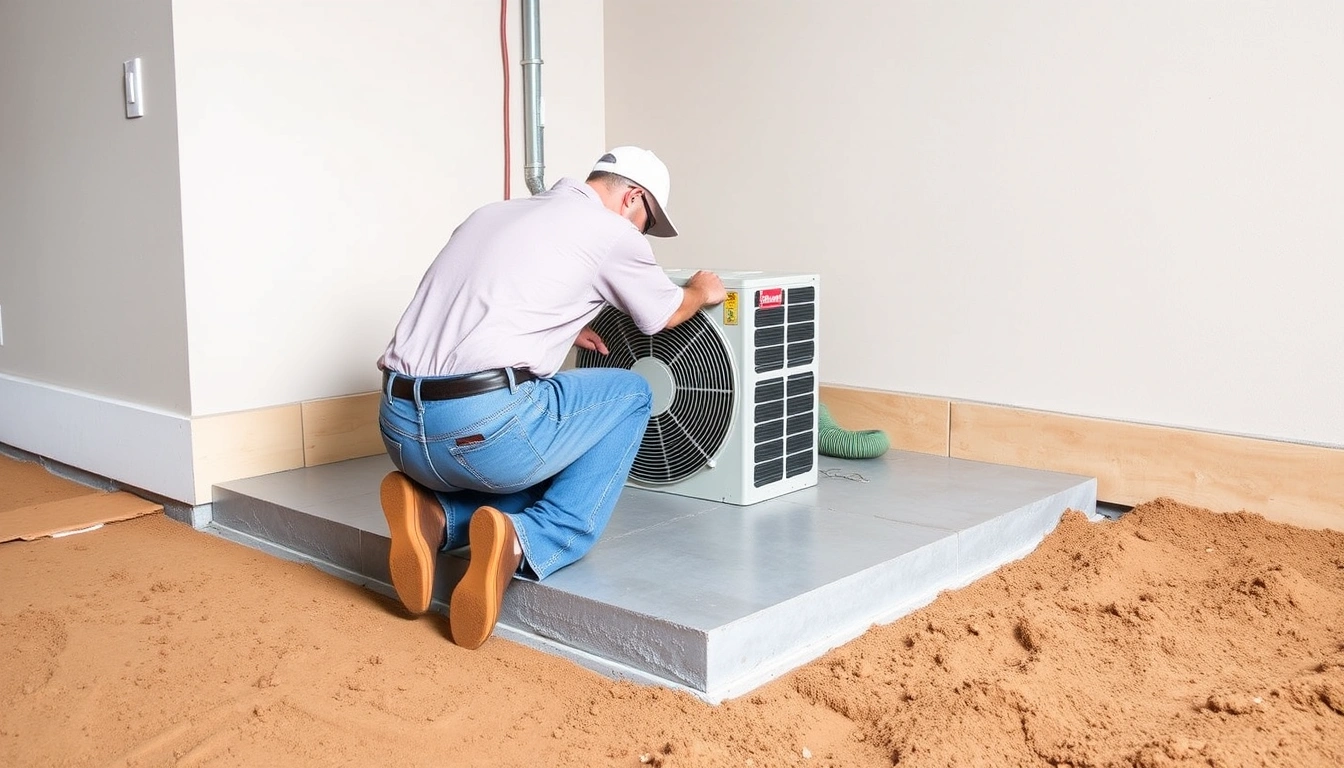
Why is my air conditioner pad sinking on one side in Cedar Rapids?
Most one-sided sinking comes from soil loss under one corner of the equipment pad. In Cedar Rapids, the usual culprits are water runoff, poor backfill, freeze-thaw movement, and compacted soil that was never solid in the first place.
Here is the part people usually miss: the pad often does not sink evenly because water travels along the easiest path. One corner loses support first, then the weight of the AC condenser pushes that spot down faster than the rest. That is classic condenser pad settlement, and it often starts after one hard rain or one bad thaw.
If you are seeing a lean on one side, check for three things before calling for HVAC pad repair: downspouts dumping nearby, gutter splashback, and fresh soil that has settled since the pad was installed. I have also seen old root decay create a pocket under the slab. Soil disappears, then the pad follows.
Typical polyurethane foam lifting jobs reach serviceable strength in 15–30 minutes, which is why small equipment pad lifting repairs are often completed the same day.
If you are comparing repair types across a property, the same cost logic shows up in concrete leveling cost discussions. Tiny repairs look cheap until access, line protection, and cleanup get folded in.
Quick check: If the low side lines up with a downspout, drainage path, or soft fill area, the sink is probably soil-related, not a bad AC unit.
Can a tilted AC pad damage the unit if I don’t fix it?
Yes, a tilted AC pad can damage the unit if you leave it alone long enough. The biggest risk is not immediate failure; it is slow refrigerant line stress, extra vibration, and strain at the connections that can shorten HVAC life.
That stress happens because the outdoor unit is designed to sit evenly on its base. When the base tilts, the cabinet no longer distributes weight the way the manufacturer intended. The line set can bend slightly at the wall or flare fitting, and repeated movement during startup and shutdown makes that worse.
Here is the practical version: if the tilt is small and stable, you may have time to plan a lift. If the tilt is growing, or if you can see copper lines bowing or rubbing, the answer flips fast. That is the point where waiting becomes more expensive than fixing.
The best repair is the one that protects the lines, not just the slab. If you are dealing with a unit that sits on older concrete, a local technician should inspect the line set before and after lifting. That is the part that separates a clean repair from a future leak call.
For Cedar Rapids homeowners who want a broader local starting point, our main concrete leveling cedar rapids page is a useful place to compare repair paths before the problem spreads to other slabs.
Quick check: If the unit still runs but the lines look bent, stretched, or scraped, fix the pad soon rather than waiting for the compressor to complain.
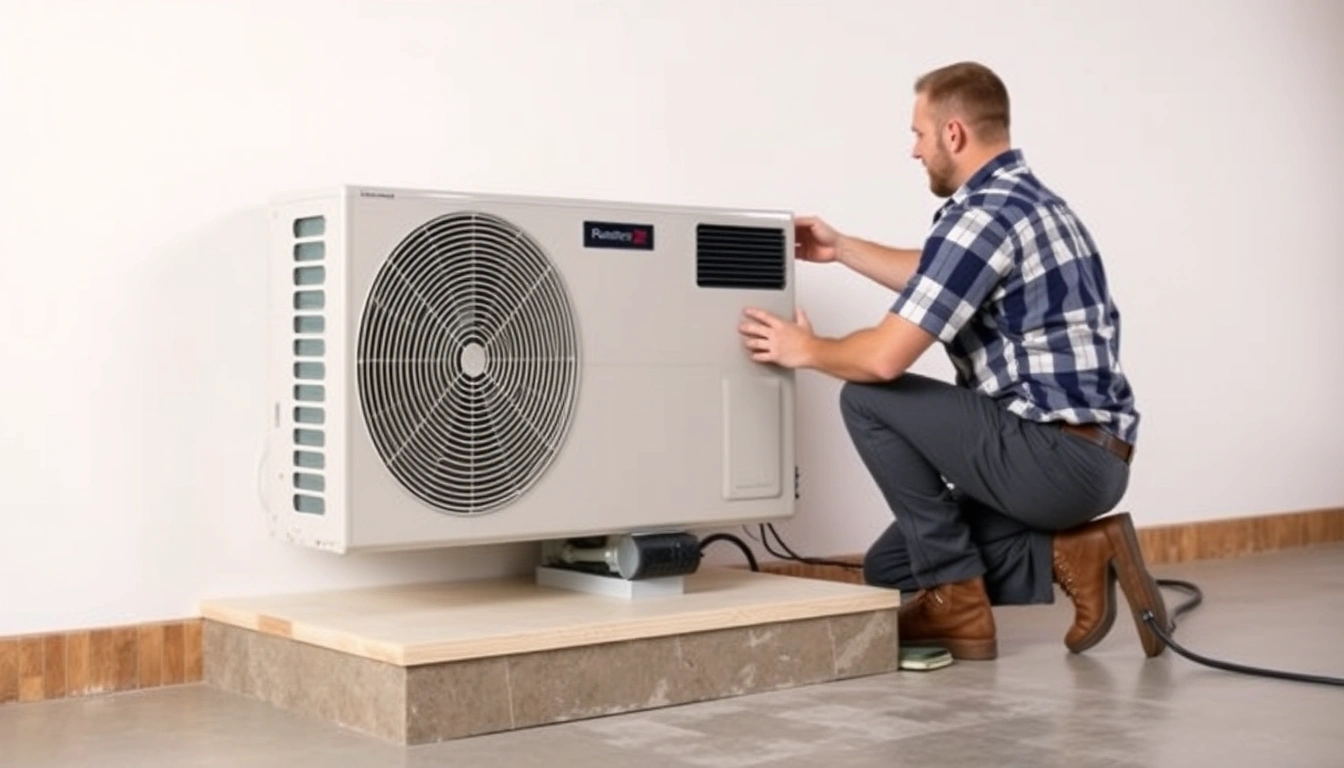
Foam lift or new pad: which path makes sense?
Foam lifting wins when the AC condenser pad is structurally sound and only needs support restored underneath it. New pad installation wins when the old equipment pad is cracked through, broken at the edge, or too thin to trust after lifting.
For most homeowners, polyurethane foam is the faster option because it can be injected through small holes, expand under the slab, and raise the pad with less mess. But it is not magic. If the base soil is washing out every spring, foam can buy time without solving the real cause.
| Situation | Best Path | Why Other Options Fail |
|---|---|---|
| Pad is intact and sunk 1/2 inch to 2 inches | Polyurethane foam lifting | Replacement is usually more expensive than needed |
| Pad is cracked through or crumbling | New equipment pad | Foam cannot rebuild weak concrete |
| Lines are already under tension | Lift with line inspection | Ignoring the lines risks refrigerant line stress |
| Repeated settling after prior repair | Investigate drainage and subgrade | Another quick lift may fail again |
The cost picture is usually straightforward. In 2026, small pad leveling jobs often fall in the low hundreds, while a full replacement or difficult access can push the bill higher. That is why I always tell people to get a repair note on the soil condition, not just the slab condition.
In most cases, a sound equipment pad can be lifted faster and cheaper than replaced, but a cracked pad with bad subgrade usually needs replacement.
If the same property also has a sunken slab elsewhere, a related reference like sunken garage floor leveling Cedar Rapids can help you compare whether foam lifting or replacement makes more sense across different surfaces.
Quick check: If the pad is one solid piece and only the support underneath is gone, lift it. If the concrete itself is failing, replace it.
The step-by-step workflow that avoids bad repairs
The safest workflow is inspect, measure, protect, lift, and recheck. Skipping any one of those steps is how AC unit slab leveling Cedar Rapids turns into a repeat service call.
- Measure the tilt with a small level and note the low corner.
- Inspect the AC condenser pad for cracks, voids, and soft soil at the edges.
- Check the refrigerant lines for bending, rubbing, or stretched insulation.
- Identify drainage problems, especially downspouts and roof runoff paths.
- Choose polyurethane foam lifting only if the concrete is sound enough to keep.
- Recheck the pad after the foam cure time, which is commonly 15–30 minutes for serviceable strength.
- Watch the unit through one full cooling cycle to confirm the lines remain relaxed.
This is also where a lot of people save money in the wrong place. They compare only the pad price and ignore the labor of moving an outdoor unit safely, then they end up with refrigerant line stress anyway. The better question is not “What is cheapest?” It is “What keeps me from paying twice?”
If you want to compare the repair process to the broader market, the most useful local reference is a straight concrete leveling cost by surface Cedar Rapids overview, because access and slab size affect pricing more than most people expect.
Quick check: If a contractor wants to lift without measuring the tilt or checking the lines, slow the job down.
When the standard advice is wrong
Standard advice breaks down when the pad is near an obstruction, the soil keeps moving, or the AC condenser sits on a marginal slab. In those cases, the “just level it” answer can be too simple.
Edge cases that change the plan
If the unit sits beside a downspout discharge, then drainage correction comes before repair, because the same water will reopen the void. If the pad has a clean crack straight across, then replacement beats foam because the slab may split again under vibration. If the line set is already tight, then a licensed HVAC check should happen before any lift. If the pad sits on newly filled soil, then expect more settlement and consider deeper stabilization.
One honest lesson from the field: I once saw a homeowner spend money on a beautiful lift, only to have the same corner sink again after the gutter kept dumping there. That was not a bad lift. It was a bad water path.
If the soil is the real problem, the fix may include grading, downspout extensions, or waiting until the area dries enough for the foam to bond properly. The best HVAC pad repair is the one that addresses the reason the pad moved, not just the symptom.
Quick check: If the same corner keeps dropping after every wet season, you have a drainage or subgrade problem, not just a bad pad.
Common questions about AC unit slab leveling Cedar Rapids
What causes an AC pad to sink and tilt?
An AC pad usually sinks because the soil under one side washed out, settled, or softened after freeze-thaw cycles. In Cedar Rapids, drainage issues and poor backfill are common causes. Once one corner drops, the unit’s weight makes the tilt worse.
How is a sinking AC pad leveled step by step?
A crew measures the tilt, checks the AC condenser pad for cracks, and inspects refrigerant lines before injecting polyurethane foam under the slab. The foam expands, lifts the equipment pad, and firms up within minutes. A final check confirms the unit sits flat and stable.
Foam lifting vs new pad — which is better?
Foam lifting is better when the pad is still structurally sound and only the support underneath has failed. A new pad is better when the concrete is cracked, crumbling, or too damaged to trust. If the line set is tight, a technician should inspect it before either option.
Why does my AC pad keep tilting after leveling?
Repeated tilting usually means the drainage or soil problem never got fixed. Downspouts, grading, and soft fill can keep washing out the same corner. If the soil keeps moving, another lift may help short term but will not solve the root cause.
How much does AC pad leveling cost in Cedar Rapids?
Small AC pad leveling jobs often land around $300–$900, but the final price depends on access, the amount of lift, and whether the refrigerant lines need extra care. If the pad must be replaced instead of lifted, the cost usually rises.
Can a tilted AC pad damage the unit if I don’t fix it?
Yes. A tilted pad can create refrigerant line stress, add vibration, and put extra load on the outdoor unit’s base. That stress may not fail the system immediately, but over time it can shorten equipment life and increase the chance of a leak or repair call.
- A leaning AC condenser pad is a system issue, not just a concrete issue.
- Polyurethane foam works best when the pad is intact and the soil beneath it has failed.
- Refrigerant line stress is the main reason not to ignore a tilted pad.
- If the pad keeps sinking, fix drainage or subgrade problems before repeating the lift.
The Bottom Line
AC unit slab leveling Cedar Rapids is worth doing when the pad is intact, the tilt is modest, and the real problem is lost support underneath. It is not worth forcing a lift on cracked concrete or on a pad that keeps sinking because of drainage. The smart move today is simple: inspect the pad, trace the water path, and look at the refrigerant lines before you decide.
Pick one thing from this article and try it this week, not all of it. If you want the bigger context for other slabs around the house, start with Surface-by-Surface Concrete Leveling in Eastern Iowa: Driveways, Garages, Patios, Sidewalks & Pool Decks.
See also: concrete leveling by surface type Cedar Rapids
See also: sunken garage floor leveling Cedar Rapids
See also: concrete leveling cost by surface Cedar Rapids
Related: slab replacement threshold
Related: driveway leveling Cedar Rapids
Related: patio leveling Cedar Rapids