driveway leveling Cedar Rapids: Frost Heave vs Settlement
⏱️ 8 min read · Last updated: 2026
- Typical concrete driveway leveling cost is commonly about $5–$20 per square foot, with small jobs often priced by the slab or by minimum charge.
- Most residential driveway slabs are about 4 inches thick; heavier traffic sections and driveway aprons are often thicker.
- Polyurethane foam lifting often allows return-to-drive time in about 15 minutes to 1 hour, while mudjacking usually takes several hours and sometimes longer.
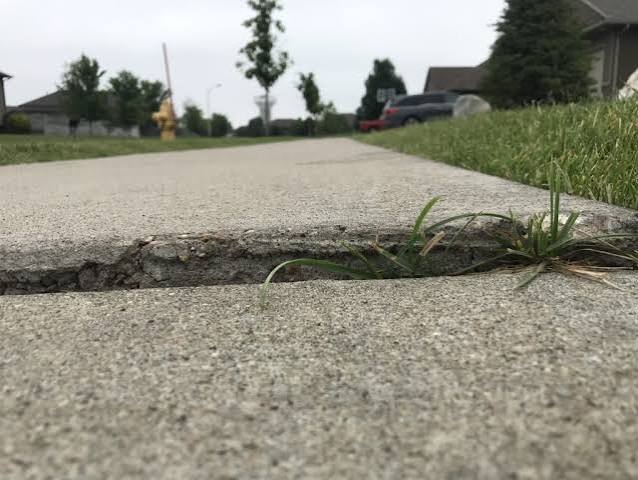
- A settled driveway slab usually drops at an edge, crack, or control joint; frost heave driveway damage often looks higher in winter and lower again in warm, wet months.
- Driveway apron lifting is often a different job than the main driveway panel because the apron usually ties into the street, curb, or garage approach.
The crack ran from the garage door to the mailbox — half an inch wide by spring. In Cedar Rapids, that usually means you are not looking at one problem, but two: a settled driveway slab in one spot and freeze-thaw cycle movement in another. For driveway leveling Cedar Rapids, that distinction matters more than the quote.
I have watched homeowners spend money on the wrong repair because they treated frost heave like ordinary settlement. One neighbor paid for leveling in March, only to have the slab change again after a wet April and a hard freeze. The invoice was $1,450 for a medium-sized driveway, but the real fix ended up being drainage and joint work first.
The cheapest fix is rarely the one that lasts if the soil is still moving under the slab.
What actually changes the answer here
If the driveway dropped because the soil underneath compacted or washed out, leveling is usually the right move. If the slab is moving because water freezes under it every winter, leveling alone can be a short-term patch. That is the main fork in the road for driveway leveling Cedar Rapids.
Cedar Rapids sits in a climate where the freeze-thaw cycle can punish poorly drained concrete. Water gets under the slab, expands when it freezes, and changes the support below. That is why a driveway can look fine in August and be off by an inch in February.
Here is the practical test I use: if the slab stays low year-round, think settlement. If it is worse after cold snaps or spring thaw, think frost heave driveway behavior. The first one wants lifting. The second one often wants water control first.
Quotable line: If the slab moves with the seasons, fix drainage and soil support before you pay for lifting.
Quick check: does the slab stay low all year, or does it rise and fall with weather?
Settlement vs frost heave: the part that changes everything
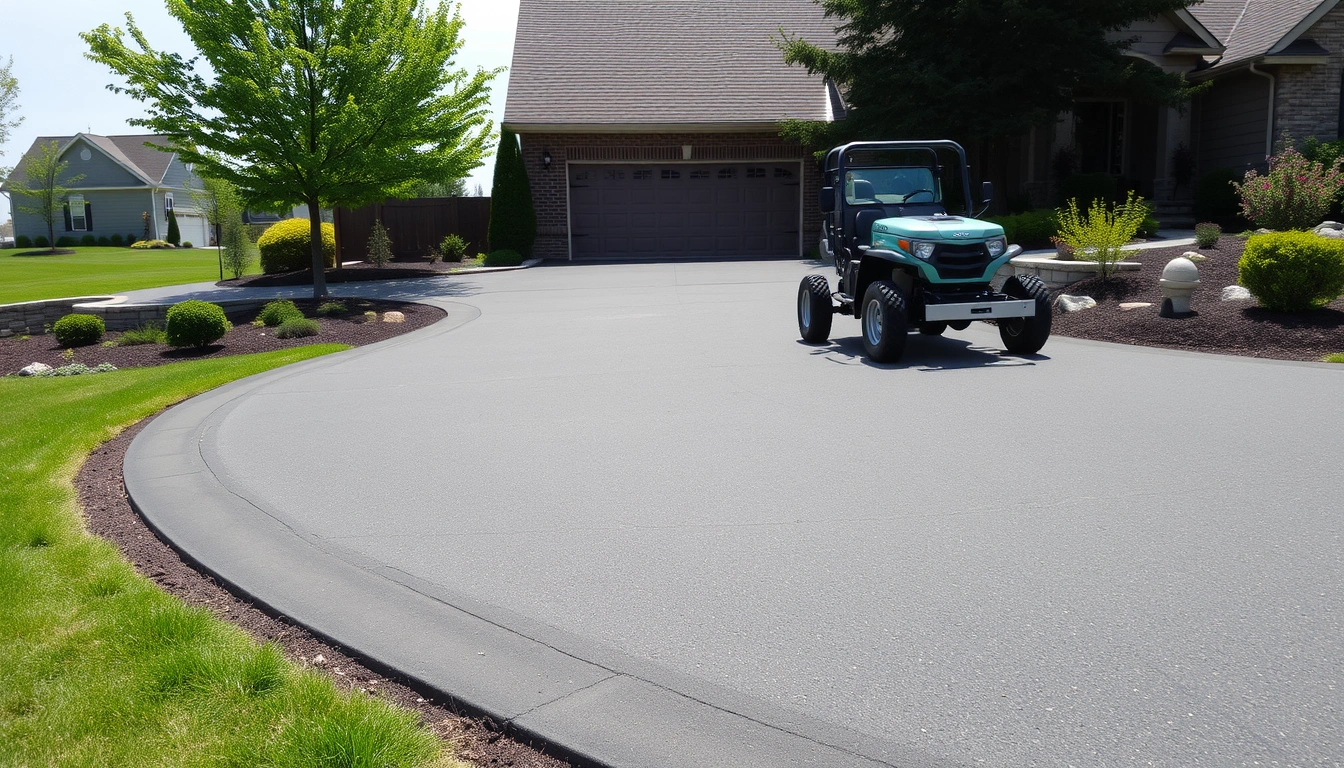
Settlement means the ground under the slab has compacted, eroded, or softened and then lost support. Frost heave means water in the soil froze, expanded, and pushed the slab upward. They can look similar from the street, but they do not get the same fix.
| Situation | Best Path | Why Other Options Fail |
|---|---|---|
| Flat slab, one low corner, no winter lift | Concrete driveway leveling with mudjacking or polyurethane foam | Full replacement is often unnecessary if the slab is still structurally sound |
| Heaving edge near the garage or apron | Drainage correction, joint sealing, then leveling if the slab settles back down | Immediate lifting can trap the slab in the wrong position |
| Cracks that open after thaw, close after dry weather | Moisture control first, then evaluate lift | Leveling alone does not stop seasonal movement |
| Multiple panels rocking or broken in several places | Patch replacement or partial replacement | Foam or mudjacking cannot repair badly broken concrete |
When I test-drive a decision, I look at three things: edge height, crack pattern, and drainage path. A single low panel next to an intact one usually responds well to lifting. A driveway with a low spot plus a slope that sends roof runoff directly onto it usually needs water work before anything else.
Most good repairs start by asking, “Why did this slab move?” not “What can lift it fastest?”
If you need a deeper surface-by-surface match, the page on concrete leveling by surface type Cedar Rapids breaks out the differences between driveways, patios, sidewalks, and other slabs.
Quotable line: Settlement usually shows one low area; frost heave usually shows seasonal movement and wet-soil clues.
Quick check: do you see winter lift, spring changes, or just one stable low section?
Which fix fits your driveway
If the slab is solid and only dropped, polyurethane foam is usually the cleaner lift. If the slab is heavier, older, or the homeowner wants a lower upfront price, mudjacking can still make sense. The best choice depends on slab condition, access, and whether the issue is isolated or widespread.
Use this workflow
- Measure the drop with a straight board and tape measure. A 1/2-inch dip is worth fixing if it creates a trip edge or water ponding.
- Check whether the concrete is sound. If the panel has wide through-cracks, spalling, or multiple breaks, leveling may not be enough.
- Look at the driveway apron, because driveway apron lifting often needs a different approach than the main driveway slab.
- Trace where water goes after rain. Downspouts, garage slopes, and curb runoff are usually the hidden problem.
- Compare methods: mudjacking is cheaper upfront, while polyurethane foam is lighter, faster, and better for tighter access.
- Ask for a quote based on square footage and slab condition, not just a lump sum.
For cost comparison, the most useful reference I have found is concrete leveling cost, because it helps you compare price by surface and method instead of guessing from one driveway quote.
What I have seen in practice: foam jobs often finish in a few hours and can be driven on the same day, while mudjacking may need longer cure time and heavier cleanup.
Quotable line: For a stable slab, polyurethane foam usually gives the fastest return-to-drive time in 2026.
Quick check: is your slab intact enough to lift, or is it broken enough to replace?
Why has one section of my driveway dropped lower than the rest in Iowa?
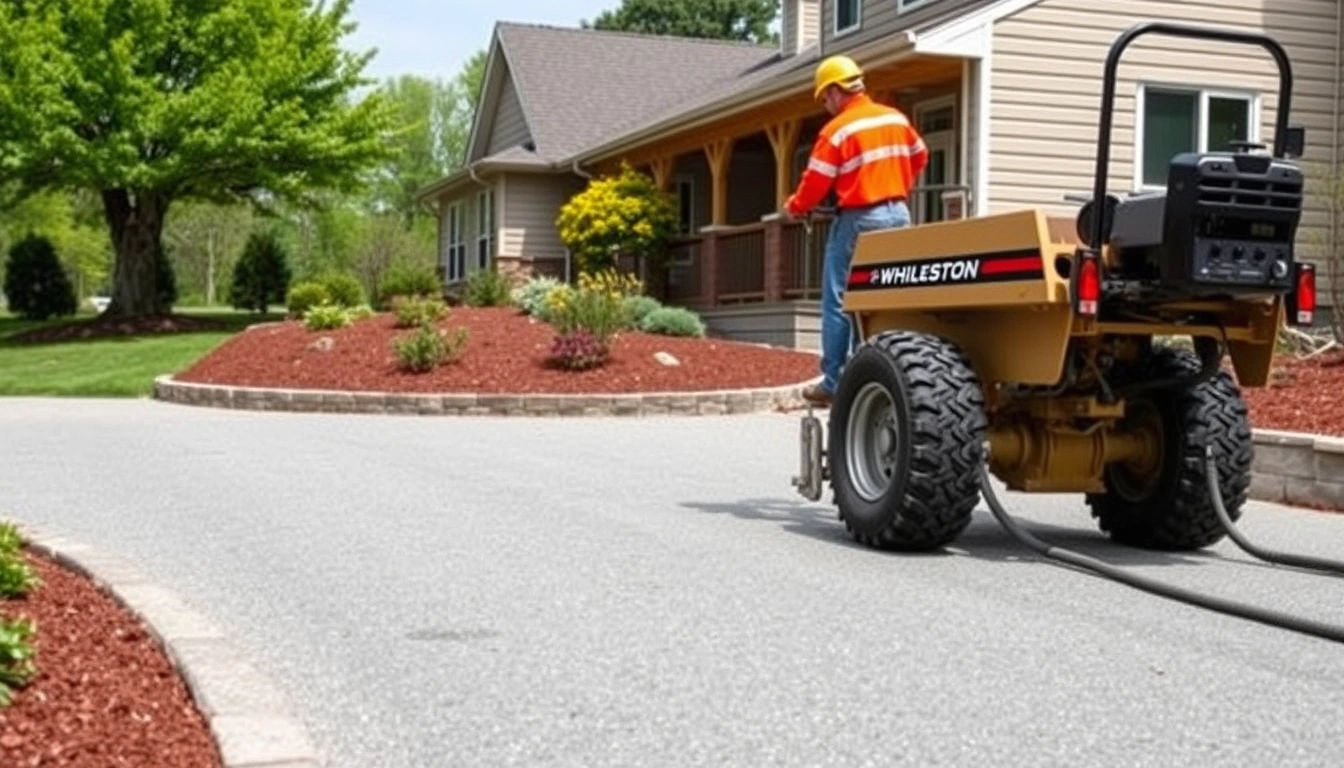
One section usually drops because the support under that panel changed, while the rest of the driveway stayed stable. In Iowa, that often comes from poor compaction, water washing out fill, or a weak spot near the garage, sidewalk tie-in, or driveway apron.
This is where people misread the problem. They see a visible crack and assume the crack caused the dip. Most of the time, the dip came first, and the crack followed because the slab had nowhere to flex.
The biggest clue is how local the problem feels. If one panel settled while the adjoining panels stayed nearly level, lifting is often efficient. If the whole driveway slopes, or multiple panels are dipping together, the issue is broader and may need partial replacement or subgrade correction.
One detail that matters in Cedar Rapids is timing. If the drop is worst in spring after snow melt, the soil below may still be holding water. Lifting before the ground stabilizes can make the final grade look good for a month and wrong by fall.
Quotable line: A single dropped panel usually points to localized soil loss, not a full driveway failure.
Quick check: is the dip isolated to one panel or spreading across multiple sections?
Is it worth leveling a cracked driveway or should you replace it?
It is worth leveling a cracked driveway if the slab is still structurally intact, the cracks are mostly stable, and the problem is height more than breakup. If the concrete is crumbling, rocking, or split into multiple failing pieces, replacement or partial replacement is the better call.
The rule I use is simple: level sound concrete, replace damaged concrete. A crack running across a slab is not an automatic replacement, but a crack with vertical displacement, crumbling edges, and water intrusion usually means the slab is past the point where lifting alone solves it.
A 4-inch residential slab that is still structurally sound is often a better lifting candidate than a brand-new replacement that has not been drained correctly.
Replacement becomes more attractive when the driveway has several bad panels, major edge breakup, or chronic settlement that keeps returning. That is especially true if the base is failing near the garage entrance. For that scenario, the related page on sunken garage floor leveling Cedar Rapids is useful because garage-adjacent settlement often behaves differently than open driveway settlement.
If access is tight because of an AC pad, the related approach on AC unit slab leveling Cedar Rapids shows how small concrete pads can be handled without disturbing nearby equipment.
Quotable line: If the concrete is broken in several places, replacement usually beats leveling in 2026.
Quick check: are you fixing height, or are you trying to save concrete that is already failing apart?
What breaks the usual advice in Cedar Rapids
The usual advice breaks when water, access, or seasonality changes the job. In Cedar Rapids, those three factors decide whether leveling works the first time or becomes a temporary fix.
These are the edge cases that change the plan
1. The driveway apron is the problem. The driveway apron sits at the street or garage transition, so it often moves differently from the main slab. What changes is the load and edge exposure. What to do instead: inspect the apron separately and ask whether driveway apron lifting is even the right first step.
2. The slab sits over a wet downspout path. What changes is the soil stays soft. What to do instead: reroute water before lifting, or the slab can move again after the next thaw.
3. The driveway is older and thin. What changes is breakage risk during lifting. What to do instead: verify slab thickness inches at the edge or via a small exposed section; many residential driveways are around 4 inches, but older edges can be thinner and more fragile.
4. The driveway was already patched once. What changes is the bond between old patch and slab. What to do instead: expect a higher chance of partial replacement if the previous repair failed at the same spot.
5. The slab changes only in winter. What changes is frost heave driveway behavior, not a permanent sink. What to do instead: address drainage, snowmelt paths, and soil saturation before spending on lift work.
If you want the concrete leveling surface decision broken down by outdoor area, the best companion piece is concrete leveling surface, because garages, patios, and driveways do not fail the same way.
Quotable line: Seasonal movement means drainage first, lifting second.
Quick check: did the problem appear after rain, snowmelt, or a previous patch job?
How to decide today without guessing
Start by marking the low spot, checking drainage, and confirming whether the slab is sound. If you can answer those three questions, you can usually tell whether to repair, level, or replace.
- Measure the low spot with a 4-foot level or straight board.
- Look for water sources: downspouts, gutter splash, curb runoff, and grading toward the slab.
- Check the crack width and edge condition. Wide, crumbling edges are a bad sign.
- Decide whether the issue is a single panel, a driveway apron, or a larger section.
- Ask for a quote that separates lifting, sealing, and any drainage correction.
- Choose the method that matches the cause, not the cheapest line item.
The most honest mistake I have made on a similar project was assuming the slab was done because the crack looked ugly. It was not done. The real problem was a downspout dumping water at the driveway edge, and once that changed, the leveling held.
Quotable line: The best driveway leveling Cedar Rapids plan starts with cause, not cost.
Quick check: can you point to the water source, the low point, and the likely method?
Typical concrete driveway leveling cost is about $5–$20 per square foot in 2026, but the minimum charge matters more on small jobs than the per-foot number.
- Settlement and frost heave are different problems, and driveway leveling Cedar Rapids only works long-term when you match the fix to the cause.
- Polyurethane foam is usually the fastest return-to-drive option; mudjacking is still useful when upfront cost matters more.
- A sound 4-inch slab can often be leveled, but multiple breaks or crumbling edges usually push the decision toward replacement.
- Drainage fixes matter as much as lifting when the slab moves with weather.
Common Questions About driveway leveling Cedar Rapids
What makes a driveway settle unevenly in Iowa?
Uneven settling usually comes from weak subgrade, water erosion, or fill that was not compacted well enough. In Iowa, freeze-thaw cycle movement can make those problems show up faster. A single low slab near a garage or driveway apron often signals localized support loss.
How is a sunken driveway leveled step by step?
A crew drills small holes, injects mudjacking slurry or polyurethane foam under the slab, and watches the panel rise to grade. Then they patch the holes and clean the surface. Most foam jobs let you drive on the slab within 15 minutes to 1 hour.
Driveway mudjacking vs foam — which lasts longer?
Polyurethane foam usually lasts longer in wet, variable soil because it is lighter and less likely to re-settle the way heavier mudjacking material can. Mudjacking still works well for many driveways, especially when budget matters, but foam is often the better fit for tighter control and faster reuse.
Why did my driveway sink again after being leveled?
It usually sank again because the underlying cause was never fixed. Common reasons include bad drainage, a wet subgrade, or lifting the slab before the soil had stabilized. If the same area keeps moving, inspect water flow and the driveway apron before paying for another lift.
How much does driveway leveling cost in Cedar Rapids?
Typical driveway leveling cost is commonly about $5–$20 per square foot, but small jobs often carry a minimum charge that matters more than the math. The final price depends on square footage, method, slab condition, and whether the job includes drainage or apron work.
Can a cracked driveway be leveled without replacing it?
Yes, if the slab is still structurally sound and the crack is mostly a symptom of movement rather than breakup. If the concrete is crumbling, heavily spalled, or split into several failing pieces, replacement usually makes more sense than concrete driveway leveling.
The Bottom Line
For driveway leveling Cedar Rapids, the smartest move is to diagnose the cause before you choose the method. If the slab is intact and only settled, leveling is usually worth it. If the movement tracks with winter, wet soil, or a failing driveway apron, fix the water and the support first. Pick one thing from this article and try it this week — not all of it, just one.
For the bigger picture across driveways, garages, patios, and more, the pillar page on Surface-by-Surface Concrete Leveling in Eastern Iowa: Driveways, Garages, Patios, Sidewalks & Pool Decks is the right next stop.
External references used for general fact-checking: U.S. Department of Energy on freeze-thaw and moisture concerns in concrete; Portland Cement Association on slab behavior and repair considerations.
See also: concrete leveling by surface type Cedar Rapids
See also: concrete leveling cost by surface Cedar Rapids
See also: AC unit slab leveling Cedar Rapids
Related: patio leveling Cedar Rapids
Related: pool deck leveling Eastern Iowa
Related: basement floor leveling Cedar Rapids