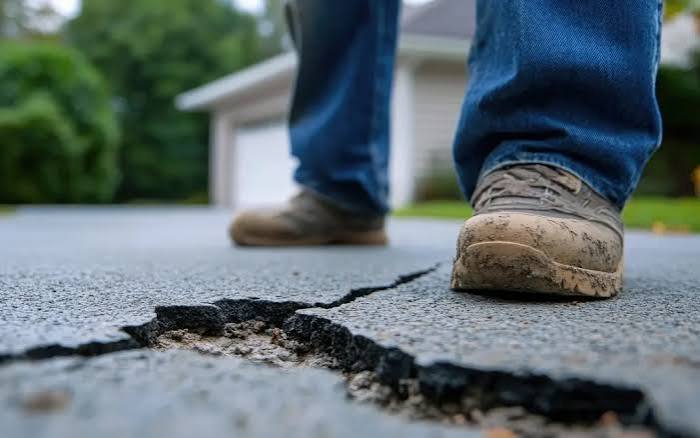
Sunken garage floor leveling Cedar Rapids: Foam vs Mudjacking
⏱️ 8 min read · Last updated: 2026
- Typical garage slab settlement is often around 1 to 3 inches, though a small corner can sink more at the door edge.
- Garage slab leveling cost commonly falls in the low four figures; a practical Cedar Rapids range is often about $700 to $2,500 depending on size, access, and lift amount.
- Polyurethane foam usually cures in about 15 to 30 minutes, so many garage floors can be driven on the same day.
- Traditional mudjacking often uses a thicker slurry and may need a longer wait before full use, commonly several hours to a day.
- A garage door threshold gap is one of the clearest signs that the slab has moved enough to affect water control and door sealing.
A neighbor in Cedar Rapids once got two quotes for the same settled garage floor: one for mudjacking, one for polyurethane foam. The foam bid was higher, but the crew was gone before lunch and the garage door closed cleanly again.
That is the real sunken garage floor leveling Cedar Rapids decision in 2026. The cheapest fix is not always the best fix, especially when vehicle load, expansive clay soil, and poor backfill have already pushed the slab out of plane.
I have seen plenty of garages where the problem was not dramatic cracking. It was a 1- to 2-inch drop near the overhead door, a sticky threshold, and water sneaking in every thaw. That kind of move can be worse than it looks because the slab keeps taking tire load every day.
The part that changes everything
Polyurethane foam is usually the better choice for sunken garage floor leveling Cedar Rapids because it lifts with more control and adds far less weight to an already stressed garage slab. Mudjacking still has a place, but it is the stronger fit for broad, heavier voids where cost matters more than finesse.
The difference is not marketing. It is weight, precision, and how the slab got damaged in the first place. In Cedar Rapids, a garage slab often sinks because vehicle load keeps pressing on a base that was weakened by expansive clay soil, poor backfill, and water movement after freeze-thaw cycles.
That cause combo matters. If the subgrade washed out or settled under repeated tire loading, adding more wet material under the slab can sometimes help; if the slab edge is simply out of level near the garage door threshold gap, foam usually makes more sense because it expands, fills voids, and cures fast.
A typical garage slab problem in Cedar Rapids is not “the whole floor failed.” It is usually one edge, one corner, or one wheel path that settled first under vehicle load.
For a broader look at process options, I keep coming back to concrete leveling by surface type Cedar Rapids because garage slabs behave differently than driveways or patios. Same city. Different load pattern.
The key question is simple: do you need speed and precision, or maximum square-foot value? For many homeowners in 2026, precision wins because the garage is used daily and any unevenness shows up immediately at the door.
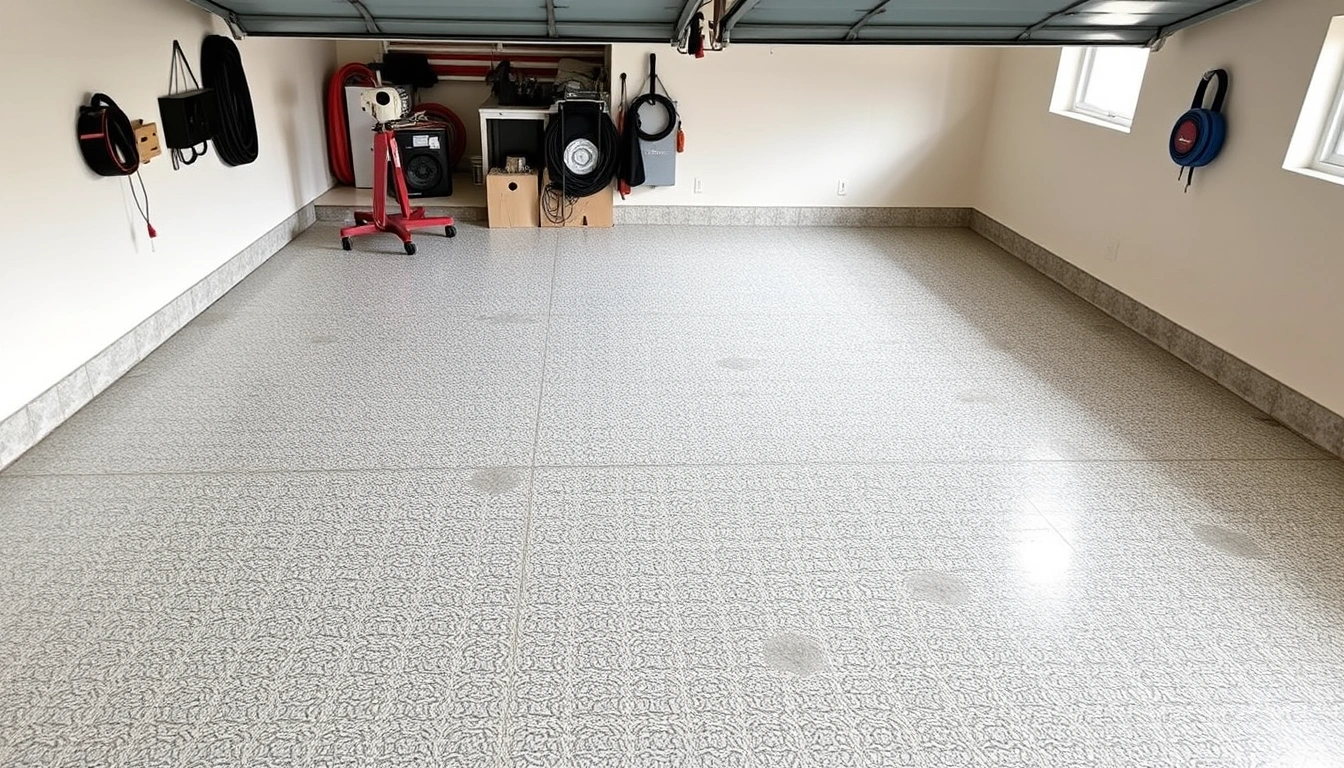
Polyurethane foam: who should actually use this
Polyurethane foam wins for most settled garage floor cases where the slab has dropped 1 to 3 inches and the goal is to restore function quickly. It is the best fit when the garage is used every day, when water is getting in near the door, or when the concrete needs a controlled lift rather than a heavy underfill.
The strength of foam is control. Crews drill smaller holes, inject expanding material, and can fine-tune the lift around the garage door threshold gap without overloading the base. That matters when the slab is already sitting on compromised soil.
Who should choose foam
- Homeowners who need same-day use.
- Slabs with moderate settlement, usually around 1 to 3 inches.
- Garages with active water entry at the front edge.
- Floors that need careful lift control near finished walls or door tracks.
Foam is not perfect. It usually costs more per project than mudjacking, and some contractors still price it higher because the equipment and material cost more. But in Cedar Rapids, that higher upfront cost often buys fewer disruptions and less risk of adding excess weight to a weak subbase.
If you want the cost picture before you call anyone, start with concrete leveling cost. I have found that people make better decisions once they know the spread between a bargain bid and a bid that includes precision lift and cleanup.
- Polyurethane foam cure time is commonly 15 to 30 minutes.
- Most projects can handle vehicle traffic the same day when the lift is stable and the slab is intact.
- Small injection holes usually mean less visible patching than traditional slurry methods.
That fast cure time is why foam is the safer default for busy adults. If the garage is your main entry point, a 20-minute cure beats losing a day to a wet slab.
Mudjacking: the specific situations where it wins
Mudjacking wins when the garage slab needs a larger-volume lift and the homeowner wants the lower bid. It can be the right call for older garages with broad settlement, decent access, and no urgent need to drive in the same afternoon.
The reason mudjacking still survives in 2026 is simple: it can be cost-effective for bigger voids. A thick slurry can fill more space under a slab at a lower material price, which helps when the budget is tight and the drop is uniform rather than localized.
That said, mudjacking adds more weight under the slab. On a garage slab already stressed by vehicle load and clay movement, that extra weight can be a drawback if the base is weak or moisture is still active. It is also harder to dial in tiny adjustments near the front edge.
Who should choose mudjacking
- Owners of older garages with widespread settlement.
- Projects where cost is the top priority.
- Slabs with enough access for pumping equipment.
- Situations where same-day return to use is not necessary.
For a fair comparison against repair photos and outcomes, the concrete leveling before and after Cedar Rapids page is useful because it shows how different repair methods affect the front edge, not just the center of the slab.
My honest take: mudjacking is a fine tool, but it is the less forgiving one. If the garage slab settlement is old, broad, and not tied to a tight threshold problem, it can do the job well enough. If the failure is at the door line, foam usually feels like the cleaner fix.
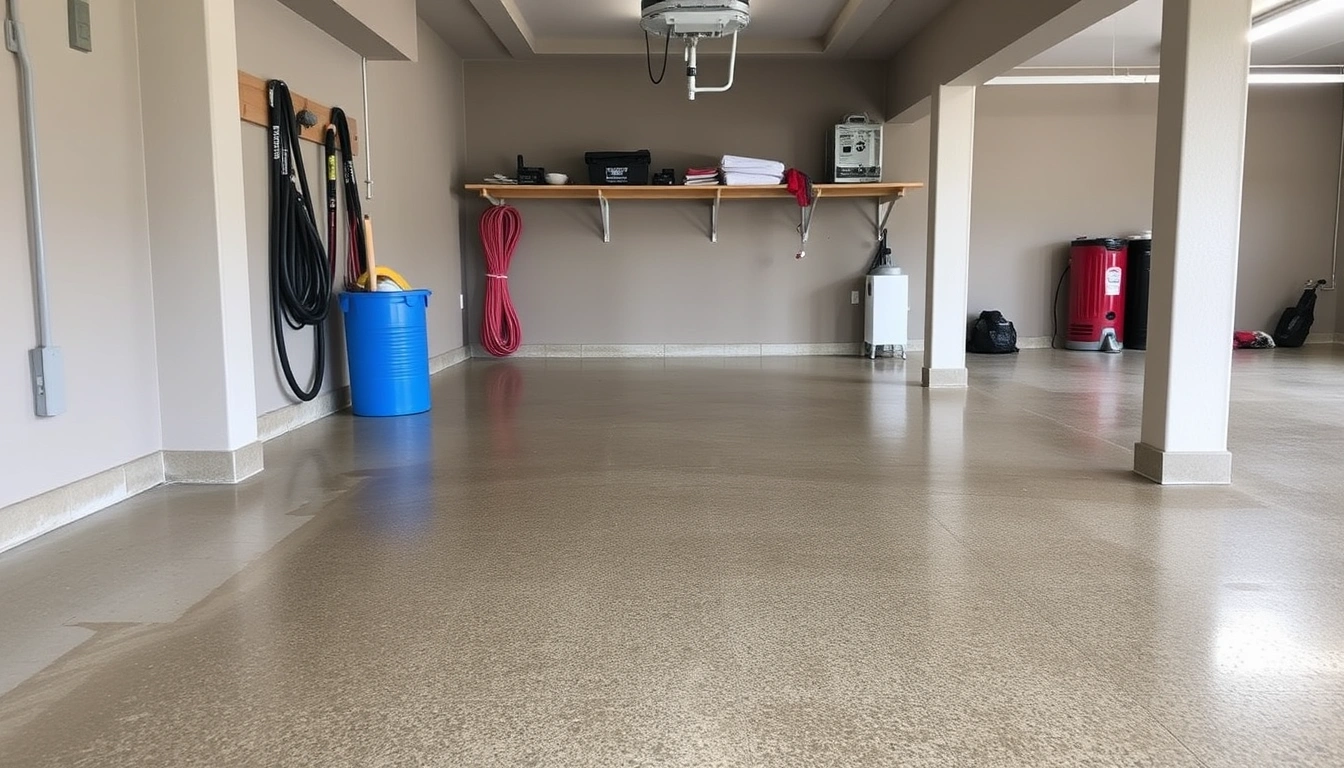
The honest side-by-side
Polyurethane foam is the better overall choice for most Cedar Rapids garage slabs, but mudjacking can still win on cost and volume. The right answer depends on how much the slab dropped, how quickly you need the garage back, and whether the front edge or the whole floor is the problem.
| Criteria | Polyurethane foam | Mudjacking | Winner for condition |
|---|---|---|---|
| Return-to-use time | About 15 to 30 minutes cure time | Often several hours to a day | Foam for busy garages |
| Lift precision | High control near the garage door threshold gap | Good for broader lifts, less precise at the edge | Foam for edge settlement |
| Added weight under slab | Very light | Heavier slurry load | Foam for weak subgrade |
| Upfront cost | Usually higher | Usually lower | Mudjacking for budget |
| Best settlement pattern | Localized or uneven settlement | Broader, more uniform settlement | Depends on failure pattern |
| Hole size and cleanup | Smaller injection holes | Larger holes and heavier patching | Foam for cleaner finish |
| Water resistance near the edge | Better when fine-tuning drainage | Can work, but less exact | Foam for water intrusion issues |
| Best value for whole-lot repair | Good value when access is tight | Better value on large, simple lifts | Mudjacking for big, simple areas |
For a garage slab, the deciding line is usually not technical jargon. It is whether the problem is precision or volume. A front edge that drops under vehicle load needs a different fix than a broad, slow sag across the middle of the floor.
The best repair is the one that matches the failure pattern: foam for control, mudjacking for bigger low spots where cost matters more than precision.
Our verdict: which one to choose and why
Choose polyurethane foam if your garage floor is used daily, the settlement is around 1 to 3 inches, or the garage door threshold gap is causing water or door problems. Choose mudjacking if the slab is broadly settled, access is easy, and the main goal is the lowest workable price.
Neither option is the right answer if the garage slab is cracked through, badly heaved, or still moving because drainage and grading were never fixed. In that case, lifting the slab without fixing the cause just buys you the same problem again.
The reason I lean foam for sunken garage floor leveling Cedar Rapids is simple: vehicle load keeps hitting the same weak area, and foam does less harm while restoring function faster. That matters more than a $200 to $500 savings if the garage is part of your daily routine.
If you want a fuller city-level comparison before booking anything, concrete leveling cedar rapids is the cleanest overview of what the repair process looks like across local conditions.
Quotable line: In most Cedar Rapids garage slabs, foam is the safer first choice and mudjacking is the cheaper fallback.
When to reconsider this choice entirely
Reconsider both options if the slab is not merely settled but actively failing. A garage floor with major structural cracking, ongoing water intrusion, or repeated movement after past repairs needs diagnosis before lifting.
There are four cases where my recommendation flips or pauses entirely. First, if the slab has a very broad, uniform drop and no threshold issues, mudjacking may be the better value. Second, if the garage has unusual access limits, the better method may be the one the crew can actually place correctly. Third, if the drop is paired with wall separation or step cracking, you may be looking at more than a leveling job. Fourth, if the floor has already been lifted twice, the base problem is probably still there.
Here is the honest lesson that took me too long to learn: a cheap lift that ignores drainage is expensive later. I have seen homeowners patch the threshold gap, only to have ice and seepage return after the first hard freeze.
If you are comparing surface-specific fixes across the property, the pillar page on Surface-by-Surface Concrete Leveling in Eastern Iowa: Driveways, Garages, Patios, Sidewalks & Pool Decks is the right next stop.
- For most sunken garage floor leveling Cedar Rapids jobs, polyurethane foam is the better first choice.
- Mudjacking still wins when budget is tight and the settlement is broad rather than precise.
- A garage door threshold gap usually means the front edge needs attention, not just a cosmetic patch.
- Fix the drainage cause or the slab can settle again after the next freeze-thaw cycle.
Common Questions About sunken garage floor leveling Cedar Rapids
What causes a garage floor to sink in Cedar Rapids?
The usual cause is a mix of expansive clay soil, poor backfill, water movement, and repeated vehicle load. In Cedar Rapids, that combination often settles the edge near the overhead door first, especially where the driveway drains toward the garage.
How do you level a sunken garage floor step by step?
A crew usually maps the low spot, drills small access holes, pumps foam or slurry under the garage slab, and lifts the slab in small increments. After that, they patch the holes and test the garage door threshold gap and drainage line.
Garage floor foam lifting vs mudjacking — which is better?
Foam lifting is better for precision, speed, and lighter weight under the slab. Mudjacking is better when the job is broad, access is easy, and the homeowner wants the lowest upfront cost. For a garage door edge, foam usually wins.
Why does my garage floor crack again after leveling?
The floor usually cracks again because the base problem was never fixed. Drainage, weak backfill, and soil movement keep working under the garage slab. If the crack reappears near the same spot, the repair plan should include grading and water control.
How much does garage floor leveling cost in Cedar Rapids?
Most garage slab leveling jobs in Cedar Rapids commonly land in the low four figures, often about $700 to $2,500 depending on slab size, access, and how much lift is needed. The fastest way to narrow it down is to measure the drop and ask for both foam and mudjacking pricing.
Can a settled garage slab be lifted or does it need replacing?
A settled garage slab can often be lifted if the concrete is structurally sound and the settlement is not caused by major breakage. Replacement is usually only necessary when the slab is badly fractured, deteriorated, or moving because the base is no longer stable.
The Bottom Line
For sunken garage floor leveling Cedar Rapids, start with the problem at the front edge, not the invoice. If the garage sees daily vehicle load, the slab has dropped about 1 to 3 inches, and the garage door threshold gap keeps changing, polyurethane foam is usually the smarter fix. If the settlement is broad and cost is the main constraint, mudjacking can still be sensible.
Pick one thing from this article and try it this week: measure the threshold gap, then get two quotes based on the same measurements. That one step will tell you more than a dozen vague estimates.
See also: concrete leveling by surface type Cedar Rapids
See also: concrete leveling cedar rapids
See also: concrete leveling cost cedar rapids iowa
Related: concrete leveling cost by surface Cedar Rapids
Related: AC unit slab leveling Cedar Rapids
Related: settled sidewalk vs replacement Cedar Rapids