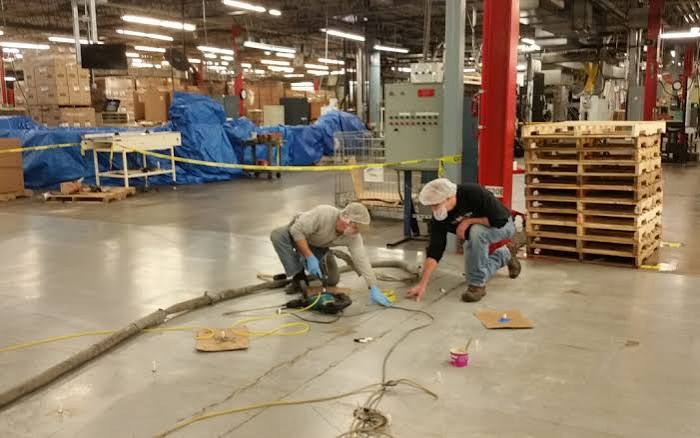
warehouse floor leveling Eastern Iowa: Foam vs Slab Replacement
⏱️ 10 min read · Last updated: 2026
Warehouse floor leveling Eastern Iowa usually comes down to one choice: lift a settled slab with polyurethane foam, or replace the damaged section entirely. If the concrete is still sound and the issue is settlement, foam is usually the fastest, least disruptive fix. If the slab has failed, the base has collapsed, or the floor needs a new structural design, replacement is the better long-term option. The right answer depends on slab condition, downtime tolerance, and how the warehouse uses the floor day to day.
Source: ifti.com
- Typical polyurethane foam compressive strength is commonly around 2,000 to 5,000 PSI, with higher-density commercial formulations available for heavier use.
- Typical return-to-load time for commercial foam lifting is often 15 minutes to 2 hours, depending on slab thickness, void size, and the installer’s lift plan.
- Typical commercial cost is commonly about $8 to $20 per square foot for warehouse floor leveling Eastern Iowa, with small precision jobs sometimes priced by lift point instead of area.
- A forklift load slab needs more than lift strength; it needs stable support under wheel paths, joints, and rack legs, or the settlement will come back.
- In most cases, slab replacement takes longer and costs more than industrial floor lifting because demolition, haul-off, cure time, and re-striping all add downtime.
The crack often starts as a hairline line between rack aisles, then becomes a lip that rattles pallets every time a forklift crosses it. From there, one weak strip can spread stress across the whole bay, which is why warehouse floor leveling Eastern Iowa gets expensive when settlement goes unchecked.
Owners often debate mudjacking, foam, and replacement when the real question is simpler: can the warehouse keep running without damaging tires, rack anchors, or operations? In 2026, polyurethane foam is usually the best answer when the slab is worth saving and the schedule is tight. As you read on, the comparison will make that choice clearer.
The right repair restores support under the forklift load slab without creating a bigger shutdown than the settlement itself.
The real difference between foam lifting and slab replacement
Polyurethane foam is the better choice when the warehouse slab has settled but remains structurally sound. Slab replacement is the better choice when the concrete is too broken, too thin, or too compromised at the joints to trust another lift.
That difference matters because the two repairs solve different problems. Foam lifting fills voids and raises the slab through small drill holes, while replacement removes the damaged section, rebuilds the base, and waits for new concrete to cure. In Eastern Iowa warehouses, each extra day of downtime affects shipping, staging, and dock scheduling, so the repair method has to match the urgency of the operation.
In other words, foam lifting is a support repair, and replacement is a rebuild. I have seen facilities choose replacement too quickly because the surface looked ugly, when the real issue was localized warehouse slab settlement under a few wheel paths. When the slab is still sound, a targeted lift often solves the problem more efficiently.
| Criteria | Polyurethane foam | Slab replacement | Winner for condition |
|---|---|---|---|
| Downtime | Hours | Days to weeks | Foam for active operations |
| Surface disruption | Small drill holes | Full demolition | Foam for occupied warehouses |
| Best use case | Settled but intact warehouse slab | Broken, spalled, or failed slab sections | Foam if structure is sound |
| Load response | Good when density and void fill are specified correctly | Excellent when base and reinforcement are rebuilt correctly | Replacement for severe structural failure |
| Project speed | Same-day completion is common | Multi-stage work with cure time | Foam |
| Typical cost trend | Lower upfront cost | Higher upfront cost | Foam for budget control |
| Long-term flexibility | Good for targeted correction | Best for complete reset | Depends on damage extent |
| Forklift traffic disruption | Minimal if reopened correctly | High during demolition and cure | Foam |
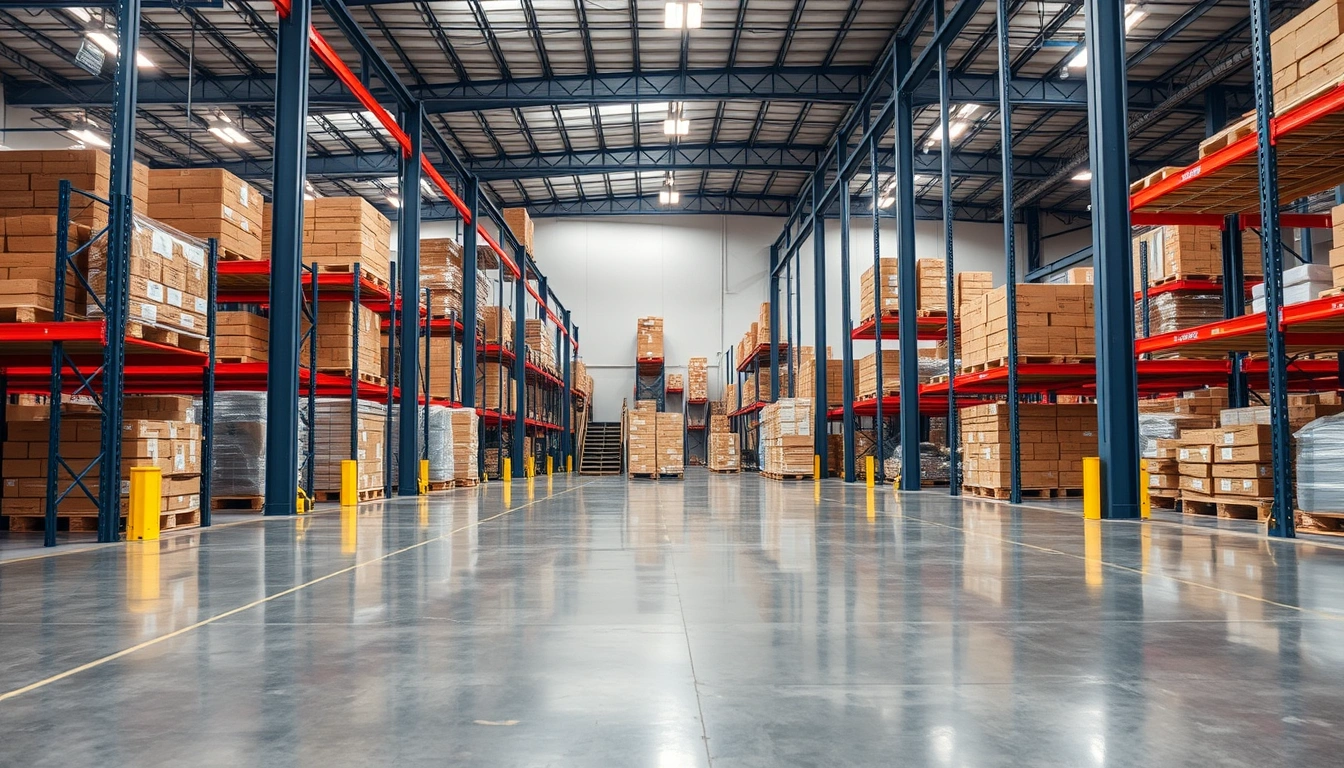
Who should actually use polyurethane foam?
Polyurethane foam is the right call for warehouses that need fast industrial floor lifting without shutting down the building. It works best when the slab has settled, the base has voids, and the goal is to restore support rather than rebuild the whole floor. For that reason, it is often the most practical first option after a floor inspection.
The best fit is a facility with localized dips, rocking rack feet, or forklift chatter across a few lanes. Foam fits those problems because crews can inject, expand, and trim it quickly, which helps reduce lost shifts and inventory movement. It is especially useful when the rest of the slab still performs well and only a few problem areas need correction.
Foam does not forgive a bad diagnosis. If a crack keeps moving because the subgrade is washing out, or if a slab panel has failed around a dock edge, the lift may only buy time. Ask the installer to explain where the void came from, not just how much lift they can achieve, so you know whether the repair addresses the cause.
For commercial work, ask for the foam’s density and expected PSI capacity in writing. Higher-density formulations make foam lifting practical under wheel paths, not just on light residential slabs. When you compare options beyond the warehouse, the same principle applies to concrete leveling surface decisions: match the fix to the load, not to the cheapest quote.
A typical commercial polyurethane foam used for concrete lifting often lands in the 2,000 to 5,000 PSI compressive strength range, but the right number depends on the installer’s system and the slab’s use.
If your warehouse only needs a few lanes corrected, foam usually beats other options on speed alone. It is also a strong choice when you need same-day return to traffic, or when rack legs, dock ramps, and forklift routes need precise correction. Do not choose foam if the concrete is crumbling, thin, or structurally split, because a lift cannot restore concrete that has already failed.
When does slab replacement win?
Slab replacement wins when the floor is beyond support repair. If the warehouse slab has widespread cracking, severe spalling, failed control joints, or bad base material across a large area, replacement is the safer long-term choice. Once the concrete itself has broken down, the repair has to reset the structure rather than just lift it.
This is the right option when the slab itself is the problem, not just the soil underneath it. Foam can stabilize a weak panel, but it cannot turn damaged concrete into new concrete. If you ignore that limit, you may pay twice because the floor will need a larger repair later.
Replacement also wins when the building needs a redesign. If you are changing rack layouts, increasing point loads, or correcting a slope that was wrong from day one, rebuilding lets you set the PSI capacity, thickness, and joint plan correctly from the ground up. That makes the upgrade more predictable for future traffic.
The downside is downtime. Demolition, base prep, forming, pouring, finishing, and curing stretch the schedule, and the warehouse may need staged access or temporary rerouting. For some operations that is acceptable; for others, it is a nonstarter. So even when replacement is technically right, the business impact can still tip the decision back toward a limited repair.
If your problem is not the warehouse but a different slab type, the logic shifts. A below-grade issue may point you toward basement floor leveling Cedar Rapids, while a pitched vehicle entry is often closer to sunken garage floor leveling Cedar Rapids than true warehouse repair.
Replacement is also the most expensive path in most 2026 budgets. Even when material costs stay reasonable, labor, haul-off, and lost production push the real price well beyond a simple lift estimate, which is why it is usually reserved for severe structural failure.
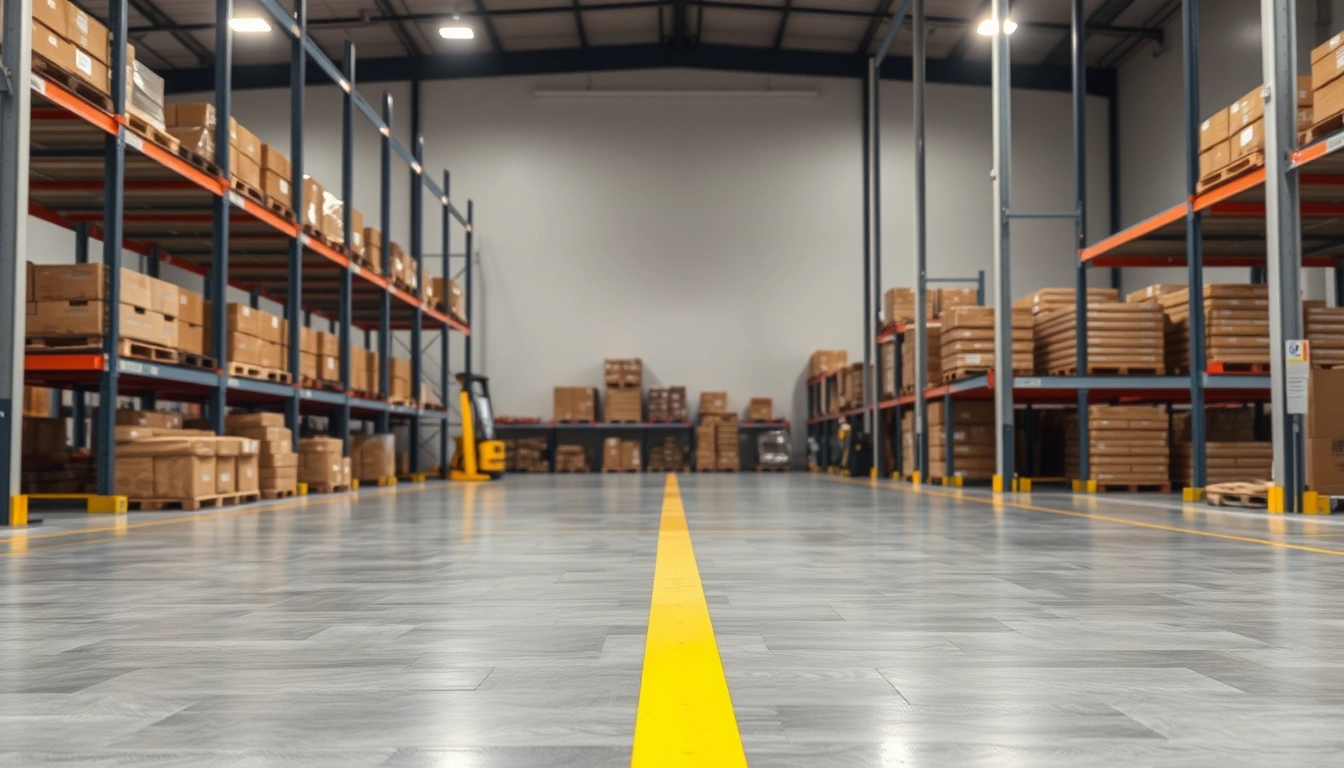
The honest side-by-side
Polyurethane foam is the better choice for most warehouse floor leveling Eastern Iowa jobs. Slab replacement is the better choice only when the concrete has already crossed from settled to failed. With that baseline in mind, the table below shows how each option affects operations, cost, and recovery time.
This comparison shows what changes the schedule, budget, and forklift routes. It is the simplest way to separate a support repair from a rebuild, especially when the floor still looks serviceable from a distance.
| Criteria | Polyurethane foam | Slab replacement | Winner for condition |
|---|---|---|---|
| Initial cost | Commonly lower; often quoted by square foot or lift point | Usually much higher | Foam for budget-sensitive fixes |
| Return-to-service time | Typical return-to-load time is 15 minutes to 2 hours | Often days to weeks with cure time | Foam |
| Impact on operations | Minimal if lanes are staged well | Major disruption | Foam for live warehouses |
| Best for | Warehouse slab settlement and void fill | Structural failure and major redesign | Depends on slab condition |
| Risk of recurring issue | Low if the base is stable | Low if the new design fixes the cause | Replacement for base failure |
| Precision under rack legs | High | High after full rebuild | Foam for targeted correction |
| Noise and dust | Low | High | Foam |
| Best use under forklift traffic | Yes, if density and lift plan match the load | Yes, if designed correctly | Foam for faster reopening |
A fair commercial cost estimate for warehouse floor leveling Eastern Iowa is commonly about $8 to $20 per square foot, but the real number changes fast with access, slab thickness, and how many lift points are needed. Smaller jobs may price above that range because setup time does not shrink just because the repair area does.
For active warehouses, the hidden cost is usually downtime, not the repair line on the invoice. That is why many facility managers choose foam first when the slab still has usable structure and the goal is to get back to work quickly. Foam lifting keeps operations moving better than tear-out in most cases, and it gives managers a faster path back to production.
Can a warehouse floor be leveled without shutting down operations in Iowa?
Yes, a warehouse floor can often be leveled without shutting down operations in Iowa. Crews usually stage one aisle, one bay, or one work zone at a time so forklift traffic keeps moving around the repair area. That phased approach lets the facility stay productive while the problem gets corrected.
This is one of the biggest reasons polyurethane foam beats demolition in commercial settings. Small drill holes, fast expansion, and rapid cure let crews restore support with less interruption than a tear-out. In many cases, the lane can reopen the same shift, which keeps the workflow steady.
You still need planning. The crew needs a clean route for forklifts, a clear boundary around the lift zone, and a short window when pallets or racks are moved off the affected strip. The more cluttered the warehouse, the more important that staging becomes, because smooth access speeds up the work.
If your operation cannot spare even a partial shutdown, foam lifting is usually the practical answer. If your floor is already unsafe for traffic, no repair method buys back the risk of running damaged lanes, so the safest move is to stop traffic long enough to make the floor stable again. For more on phased repairs, see the comparison above.
Will foam lifting hold up under forklift and rack loads?
Yes, foam lifting can hold up under forklift and rack loads when the installer uses a load-rated foam system and the slab is still structurally sound. The foam is not the whole answer; the repaired slab, base conditions, and load path all have to work together. When those elements align, the repair can perform well for years.
This is where commercial jobs differ from residential ones. A forklift load slab needs stable support under wheel paths, rack anchors, and turning zones, not just a raised surface. If the foam lifts the slab but leaves weak subgrade behind, the problem can return, so the base has to be part of the diagnosis.
Ask two questions before you sign anything: what is the foam’s compressive strength PSI, and what PSI capacity are they targeting for the repaired system under real traffic? Those are not the same thing, and a good contractor will explain the difference without talking in circles. That conversation helps confirm whether the repair matches the warehouse’s actual loads.
I have seen good commercial repairs last because they were matched to the traffic pattern, not because they used the fanciest product name. The reverse is also true. A premium material used on a failing base can still disappoint, which is why the slab condition matters more than the marketing.
For reference, commercial foam lifting typically reaches full practical service quickly, which is why many crews quote return-to-load time in minutes or hours rather than days. That speed is valuable, but it only matters if the slab was a candidate in the first place and the repair plan fits the warehouse use. If you need a fast lane reopening, the staging method above is usually what makes it possible.
When should you reconsider the choice entirely?
Most warehouse floor leveling Eastern Iowa projects favor foam first, but a few situations change the answer. In those cases, replacement or a different repair plan makes more sense, especially when the slab condition is more serious than it first appears.
The slab is broken, not just sunk
If the warehouse slab has widespread breakup, heavy spalling, or major edge failure, replacement wins. Foam cannot restore lost concrete mass or repair a slab that no longer has enough intact structure to carry the load. Once the slab has crossed that line, a lift alone is not enough.
The soil keeps moving
If drainage failure, washout, or repeated moisture cycling keeps eroding the subgrade, foam may be a temporary fix. The real repair has to stop the movement source first, or the settlement will keep showing up. Solving the drainage issue protects the next repair from repeating the same failure.
The load got heavier
If the facility is adding heavier racking, tighter turning, or a different forklift load, a rebuild may be smarter. New loads deserve a fresh thickness and reinforcement plan, not just a lift to the old design. That is especially true when the current floor was not built for the new traffic pattern.
The floor is already a patchwork
If the slab has been lifted several times and the joints are now uneven, replacement can be the cleaner answer. I made this mistake years ago on a smaller commercial floor: we kept lifting isolated areas, and the repaired lanes started looking like a map. One larger rebuild would have been cheaper in the long run, because it would have reset the floor instead of extending the patchwork.
If you are comparing problems elsewhere on the property, use the surface that matches the issue. A small residential sink can point to pool deck leveling Eastern Iowa, not warehouse work, and the repair logic changes with every surface.
Our verdict: which one should you choose?
Choose polyurethane foam if the warehouse slab is settled, the concrete is mostly intact, and you need the floor back under forklift traffic fast. Choose slab replacement if the concrete is broken, the base keeps failing, or the new use case demands a different floor design. That simple rule covers most commercial decisions.
Neither option is right if the problem is not actually the slab. If drainage, roof leaks, soil washout, or a structural issue is driving the movement, fix the cause first or the repair will chase the symptom. That is often the step that saves the most money over time.
That is the decision I would make in 2026 for most Eastern Iowa warehouses: foam first, replacement only when the slab has clearly crossed the line into structural failure. It is the faster, cheaper, less disruptive choice for the majority of commercial settlement problems, and it keeps operations moving while the floor is corrected.
- Polyurethane foam is usually the best first choice for warehouse floor leveling Eastern Iowa when the slab is settled but still sound.
- Typical return-to-load time is often 15 minutes to 2 hours, which is why foam is popular in live warehouses.
- Slab replacement is the better choice when the concrete is broken, badly failed, or being redesigned for heavier loads.
- The real cost driver is often downtime, not just the repair price.
Common questions about warehouse floor leveling Eastern Iowa
What causes warehouse floors to settle under heavy loads?
Most warehouse floors settle because the soil under the warehouse slab loses support from poor compaction, moisture changes, or washout. Heavy forklift traffic and rack loads then push the weak spots lower. In many cases, the floor shows symptoms first in wheel paths and joints.
How is a warehouse floor leveled without downtime?
Crews usually level the floor with polyurethane foam in small sections, often drilling 5/8-inch to 1-inch holes and lifting one lane at a time. Because the foam cures quickly, many areas return to service the same day, which keeps forklifts moving around the repair.
Foam vs slab replacement for warehouses — which is better?
Foam is better when the warehouse slab is still structurally sound and only needs support restored. Slab replacement is better when the concrete is broken, the base is failing, or the floor needs a new design for heavier use. The deciding factor is slab condition, not just price.
Why does my shop floor crack under forklift traffic?
Forklift traffic cracks a shop floor when the slab has voids, weak joints, thin sections, or poor base support. The wheels concentrate force in small paths, so a tiny settlement becomes a visible crack. A load-rated foam repair can help if the slab itself is still intact.
How much does warehouse floor leveling cost in Eastern Iowa?
Typical commercial pricing for warehouse floor leveling Eastern Iowa is commonly about $8 to $20 per square foot for foam lifting, though small jobs may be priced by lift point. Bigger variables are access, slab thickness, and how much of the floor needs correction.
Can foam lifting hold under rack legs and dock traffic?
Yes, if the foam is specified as load-rated foam and the slab is otherwise sound. Rack legs and dock traffic need stable subgrade support, so the lift has to correct the void and the cause of the settlement. If the concrete is damaged, replacement may still be safer.
How long does a commercial foam lift last?
A commercial foam lift can last for years when the base problem is corrected and drainage stays stable. Longevity depends on soil conditions, load patterns, and whether the slab was a true candidate for lifting. If the underlying cause remains active, the repair may not hold.
The bottom line
For most warehouse floor leveling Eastern Iowa projects, polyurethane foam is the move I would make first because it restores support quickly, keeps downtime low, and works well when the slab is still worth saving. Slab replacement is the right answer only when the concrete has already failed or the load plan is changing enough to justify a rebuild.
Then decide whether you are dealing with settlement or a failed slab, because that one distinction changes everything. Check the worst forklift lane, mark the lowest points with tape or chalk, and compare those readings against the surrounding aisles so you can decide whether the slab needs support restoration or full replacement.
For a broader view of related surfaces, see the Surface-by-Surface Concrete Leveling in Eastern Iowa: Driveways, Garages, Patios, Sidewalks & Pool Decks.
When you compare repair options for warehouse floor leveling Eastern Iowa, foam usually gives the best balance of speed, cost, and disruption when the slab is still structurally sound.
See also: pool deck leveling Eastern Iowa
See also: basement floor leveling Cedar Rapids
See also: sunken garage floor leveling Cedar Rapids
See also: concrete leveling cedar rapids
See also: commercial concrete leveling iowa
See also: concrete leveling vs replacement cost Iowa