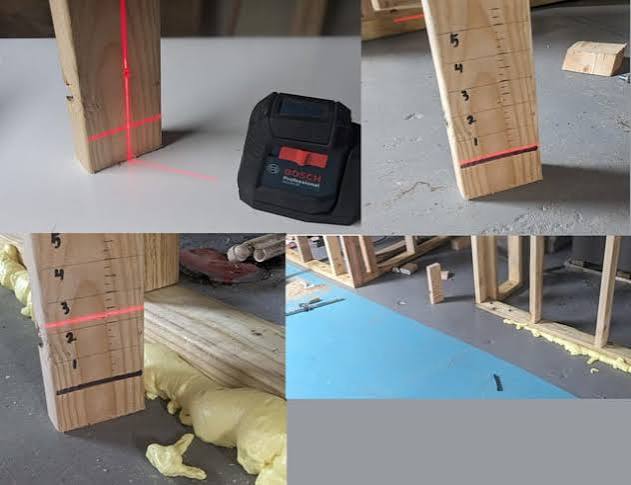
basement floor leveling Cedar Rapids: foam vs replacement
⏱️ 9 min read · Last updated: 2026
- Typical floor slope limit: the ADA walking-surface benchmark is 1:48, which equals 0.25 inch per foot; anything steeper in a basement deserves a closer look.
- Common basement leveling cost: interior slab lifting often lands in the low thousands, while full slab replacement usually runs much higher because of demolition, haul-off, and new concrete.
- Moisture reading threshold: many concrete pros treat a concrete surface reading above about 4% to 5% with a pinless meter, or a damp-vs-dry slab condition under ASTM F2170 testing, as a red flag for floor coverings.
- Polyurethane foam can usually lift a settled basement slab in hours, not days, and the area is often usable the same day if drainage issues are controlled.
- Persistent hydrostatic pressure can undo leveling work unless the water problem is addressed first with drainage, grading, or a moisture barrier.
The crack started as a hairline line near the laundry sink, then the slab dropped just enough to make the utility door drag. In basement floor leveling Cedar Rapids projects, that tiny change is often the difference between a quick lift and a bigger structural job.
I have seen interior slab lifting make a basement usable again the same afternoon, but I have also seen a floor that looked “just uneven” turn out to be active basement slab settlement. The hard part is separating a sloping basement floor from a warning sign that the footing, water management, or soil support has already moved.
That distinction matters in Cedar Rapids because freeze-thaw, clay-heavy soils, and hydrostatic pressure can all push a basement floor in different directions. If the slab is sinking but the walls are stable, repair is usually straightforward; if the wall and floor are moving together, replacement or foundation work may be smarter.
The real difference between leveling and replacing
Leveling wins when the basement slab is still basically intact; replacing wins when the slab is failing, badly cracked, or tied to a bigger moisture or foundation problem. In practical terms, polyurethane foam fixes the elevation first, while replacement rebuilds the floor from the ground up.
The decision is not about which option sounds more permanent. It is about what is causing the problem under the slab, because a new pour will fail again if hydrostatic pressure or unstable fill is still pushing from below.
Here is the line I use: if the concrete is structurally sound and the issue is height, lift it; if the concrete is structurally compromised and the issue is integrity, replace it. That rule saves time, money, and a lot of regret.
A basement floor that slopes more than about 1/4 inch per foot deserves investigation, but not every slope means the slab must be torn out.
Should I level or replace my sloping basement floor in Cedar Rapids?
Choose leveling if the slab is settled, the cracks are mostly non-structural, and the basement is dry enough to control moisture. Choose replacement if the slab is heaved, crumbling, sunk in multiple directions, or contaminated by repeated water intrusion that has weakened the base.
In basement floor leveling Cedar Rapids jobs, the fastest clue is the crack pattern. One or two settlement cracks with a clear low spot usually point to interior slab lifting; widespread spider cracking, hollow-sounding concrete, or edges that have broken off usually point toward replacement.
Cost matters too. A typical interior lift is commonly far cheaper than demo and repour, which is why many homeowners start there first. If you want a surface-by-surface comparison, concrete leveling by surface type Cedar Rapids shows how basement slabs compare with other concrete areas.
Use leveling when these are true
- The slab is sunken but still largely intact.
- The floor slope is annoying, not collapsing.
- Moisture is present, but not actively washing out soil.
- The walls are stable and not bowing.
Use replacement when these are true
- The slab is broken into loose sections.
- There is severe heaving from freeze or soil movement.
- Water keeps returning after grading or drainage fixes.
- The base material under the slab has failed.
Quotable line: If a basement slab is mostly intact, interior slab lifting usually beats replacement on speed and disruption; if the slab is failing in pieces, replacement is the cleaner fix.
Is a sinking basement floor a sign of foundation problems?
Sometimes yes, but not always. A sinking basement floor can come from soil settlement under the slab without any major foundation failure, and that is the more common scenario when the walls look straight.
The red flags are different. If the floor drop comes with wall cracks wider than 1/4 inch, stair-step cracking in block walls, doors sticking upstairs, or visible wall bowing, then the floor may be part of a broader foundation problem. That is where the answer changes from “lift the slab” to “inspect the structure.”
Hydrostatic pressure is another big clue in Cedar Rapids. When groundwater pushes up against the basement, it can soften the base under the slab, increase settlement, and make floor leveling a short-term fix unless drainage improves first. The U.S. Environmental Protection Agency has long treated indoor moisture control as a health and durability issue, not just an appearance issue.
If you want the cost side of the decision, concrete leveling cost gives a useful starting point for comparing lift versus replacement before you call for quotes.
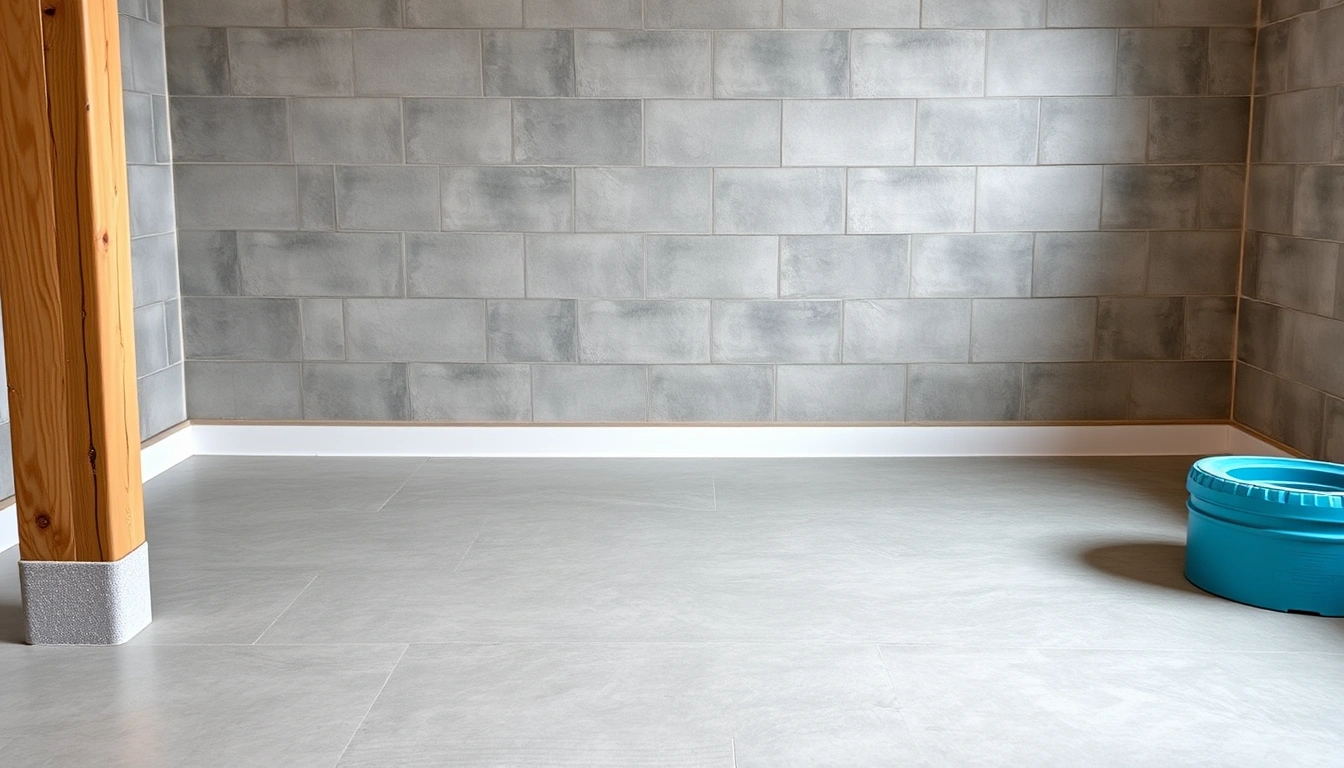
The honest side-by-side
Polyurethane foam wins on speed, less mess, and lower disruption. Replacement wins when the slab is too damaged for lifting to hold or when moisture has made the old concrete a lost cause.
| Criteria | Interior slab lifting | Slab replacement | Winner for this condition |
|---|---|---|---|
| Typical downtime | Often same day | Usually several days to a week | Lifting if you need fast access |
| Cost | Commonly lower | Usually much higher | Lifting for budget control |
| Mess | Minimal demolition | Heavy demo and haul-off | Lifting for finished spaces |
| Structural correction | Raises the slab, does not rebuild it | Rebuilds the whole floor system | Replacement for failed concrete |
| Moisture sensitivity | Needs dry conditions and drainage fixes | Still needs moisture control | Replacement if the slab is broken by water |
| Best use case | Sinking but intact slab | Cracked, crumbling, or heaved slab | Depends on slab condition |
| Longevity | Good when soil and water are stabilized | Longer reset, but not immune to future movement | Replacement for chronic failure |
| Disruption to home | Low | High | Lifting for busy households |
| Best support method | Polyurethane foam | New base prep and concrete pour | Lifting for interior slab lifting |
The numbers behind this table are what usually change the decision. In Cedar Rapids, homeowners often care less about the theory and more about whether they can store bins, run laundry, and keep dust out of the rest of the house.
Polyurethane foam is often the practical choice when the floor needs to be usable again quickly, because the repair is measured in hours instead of demolition days.
Why interior slab lifting wins in most cases
Interior slab lifting wins for most sound basement slabs because it solves the height problem without rebuilding the room. For busy homeowners, that matters more than almost anything else.
The best-case scenario is simple: the slab has dropped, the base below it has voids, and polyurethane foam fills those voids while lifting the concrete back toward level. That is why the repair often finishes in a single visit, and why the basement can usually be walked on the same day.
I have watched this work best where the floor drop was localized to one corner or along a seam near a plumbing run. It struggled only when the moisture source was still active, which is why checking drainage first is not optional.
A basic moisture check helps. A pinless meter reading above about 4% to 5% on concrete, or any visible evidence of recurring dampness, means you should address water management before finish flooring or interior slab lifting for cosmetic reasons.
If you are also dealing with a low garage slab, the same logic applies. The strongest adjacent comparison is sunken garage floor leveling Cedar Rapids, because garage slabs and basement slabs often fail for the same soil and drainage reasons.
When replacement is the better call
Replacement is the better call when the slab is too damaged to trust. If the concrete is broken into multiple loose panels, has severe heaving, or has repeated water damage under it, a fresh pour is usually the cleaner long-term answer.
Replacement also makes more sense when you are already opening the floor for drainage, plumbing, or waterproofing work. If the concrete is coming out anyway, paying for a lift can be wasted money unless the remaining slab is still in excellent shape.
That said, replacement is not a “better” fix just because it is more complete. It is slower, dirtier, and more expensive, and a new slab can still settle if the base preparation is poor. I learned that the hard way on a basement project years ago when a well-meaning cosmetic repour failed because the gutter and grading issue never got fixed.
If the problem is tied to water, the long-term answer may include a moisture barrier, drainage correction, or sump work before any concrete goes back down. That is especially true in 2026, when homeowners are far less tolerant of rework.
When the verdict flips
The overall recommendation flips in four situations. If the slab is actively heaving, if the walls are moving, if water keeps coming back, or if the concrete is already broken apart, replacement or foundation repair can outrank leveling.
First, heaving changes the game because lifting a high spot is not the same as filling a void. Second, wall movement means the slab may be a symptom, not the cause. Third, recurring water means hydrostatic pressure is still in play. Fourth, an old slab with multiple patches may cost more to chase than to replace.
These are the cases where an inspection matters more than an estimate. If you want a surface-specific pricing baseline for other concrete areas, driveway leveling Cedar Rapids helps show how repair choices can change once the surface and load pattern change.
Flip the choice if you see these signs
- The crack is widening month to month.
- The basement door alignment keeps changing.
- There is white efflorescence plus active dampness.
- The floor is sinking near a wall that already bows.
Quotable line: If the slab is moving because water and soil are still moving, leveling without fixing drainage is just buying time.
Should I level or replace my sloping basement floor in Cedar Rapids?
Choose leveling if the slope is limited to the slab, the concrete is still sound, and the moisture problem can be controlled. Choose replacement if the slab is broken, the movement is ongoing, or the basement has signs of broader foundation distress.
Do neither if you have active water entry, a bowing wall, or repeated seasonal movement that changes the floor more than once a year. In that case, solve the cause first, then repair the surface.
For most Cedar Rapids homes, the best first move is a level check, a moisture check, and a visual inspection of the walls. That three-part check usually tells you whether you need interior slab lifting, replacement, or a foundation evaluation.
Common Questions About basement floor leveling Cedar Rapids
What causes a basement floor to become uneven in Iowa?
The most common causes are soil settlement, poor backfill, hydrostatic pressure, and freeze-thaw movement. In Iowa basements, clay-heavy soils can hold water and soften the support under the basement slab. That leads to a low spot, usually near an exterior wall or plumbing run.
How do you level a basement floor step by step?
A pro usually maps the low areas, drills small injection holes, fills voids with polyurethane foam, and checks the lift in stages. If the floor is only slightly low, the work may finish in a few hours. If moisture is active, drainage should be corrected first.
Self-leveling compound vs foam lifting — which is better?
Self-leveling compound works for smoothing small surface irregularities, not for lifting a settled slab. Foam lifting is better when the concrete has dropped and needs support restored underneath. For a basement slab with settlement, foam is the real structural fix.
Why is my basement floor still uneven after leveling?
The floor may still be uneven if the lift was limited by cracked concrete, hidden voids, or an ongoing moisture problem. It can also happen when a slab is lifted to “good enough” rather than perfectly flat. That is normal in older basements with irregular settlement.
How much does basement floor leveling cost in Cedar Rapids?
Costs vary by size, access, and how much lift is needed, but interior slab lifting is commonly far less expensive than replacement. Many jobs land in the low thousands, while full replacement usually climbs much higher because of demolition, prep, and new concrete.
How do I know if moisture is making my basement floor fail?
Look for damp spots, efflorescence, musty odor, or a pinless meter reading above about 4% to 5% on concrete. If moisture shows up after rain, hydrostatic pressure is likely part of the problem. That means drainage or a moisture barrier should be addressed before finish work.
- Interior slab lifting is the right first choice when the basement slab is settled but still structurally sound.
- Replacement makes sense when the concrete is broken, heaved, or damaged by repeated moisture.
- A slope steeper than about 1/4 inch per foot deserves closer inspection, especially if walls also move.
- Fix water and drainage first, or hydrostatic pressure can undo the repair.
The bottom line
For basement floor leveling Cedar Rapids, I would choose interior slab lifting first whenever the slab is intact and the problem is a drop, not a collapse. I would choose replacement only when the floor is too damaged to trust or when water and soil movement are still active.
Today’s best next step is simple: measure the slope, check for moisture, and look at the walls before you price anything. Pick one thing from this article and try it this week, not all of it. If you want the broader neighborhood of repair choices, start with the Surface-by-Surface Concrete Leveling in Eastern Iowa: Driveways, Garages, Patios, Sidewalks & Pool Decks pillar.
See also: sunken garage floor leveling Cedar Rapids
See also: concrete leveling by surface type Cedar Rapids
See also: concrete leveling cost by surface Cedar Rapids
Related: concrete steps leveling Cedar Rapids
Related: concrete leveling before after Cedar Rapids
Related: warehouse floor leveling Eastern Iowa